From Bahrain to Saudi Arabia: The Securitization of Shia Identity in Persian Gulf
DID Press: The issuance of harsh sentences against dozens of Shia clerics in Bahrain, the execution of citizens in Saudi Arabia, and the sentencing of a Shia cleric to death in Kuwait are signs of the expansion of security-oriented approaches towards Shia communities in the Arab Gulf states. This trend, coinciding with rising regional tensions and military confrontation with Iran, has increased concerns over restrictions on the religious and civil rights of Shia communities.
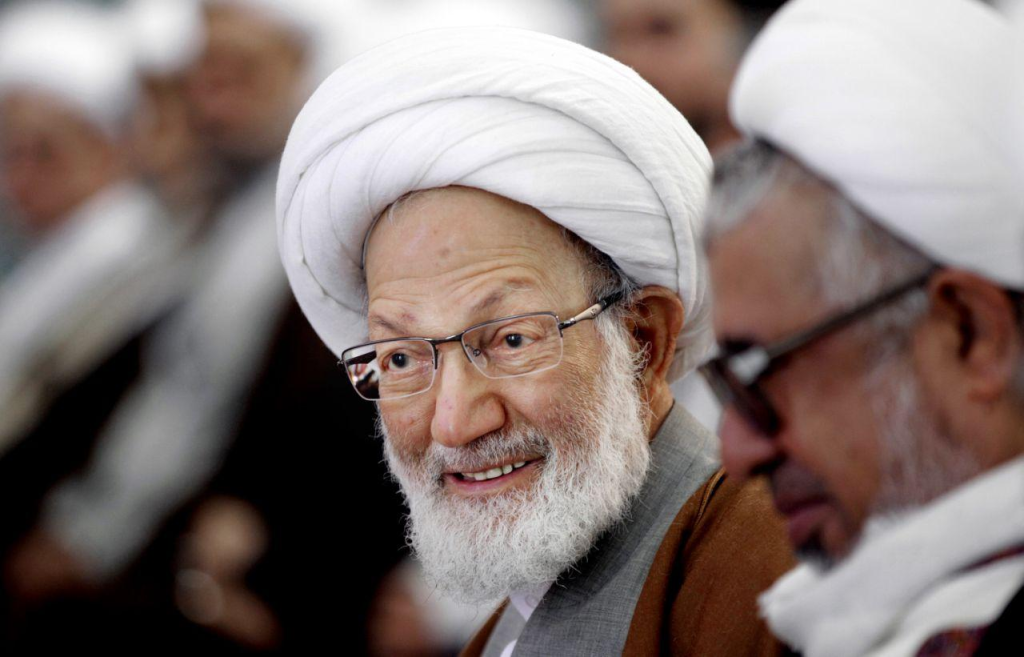
Recent judicial and security developments in Bahrain, Saudi Arabia and Kuwait have once again brought the legal and social situation of Shia communities in the Arab Gulf states into focus. The simultaneous occurrence of widespread judicial crackdowns and the intensification of regional confrontation with Iran has raised concerns that geopolitical rivalries may have become a factor leading to increased pressure on Shia citizens and restrictions on their religious and civil activities.
In Bahrain, a criminal court on November 16, 2026, sentenced 64 of the 69 defendants to life imprisonment and five others to 15 years in prison. According to information from the Bahrain Institute for Rights and Democracy, 60 of those sentenced are Shia clerics, among whom is Ayatollah Sheikh Isa Qassim.
The charges brought in this case include forming a group linked to Iran, financing, and attempting to overthrow Bahrain’s political system. However, the scope of the issues raised in the case is not limited to political and security-related accusations. It also includes activities such as the use of mosques, religious sermons, religious education, the collection of religious dues, and communication with religious authorities outside the country.
This matter is significant because routine religious activities and religious connections have also become subject to security-based interpretations. Such an approach could further blur the boundary between citizens’ freedom of belief and accusations related to national security.
Pressure on Bahrain’s Shia community is not a new phenomenon. In recent years, this community has faced restrictions on political participation, discrimination in access to state institutions, and measures against religious leaders and political opponents. A Human Rights Watch report in June 2026 concerning the revocation of the citizenship of 69 Shia citizens, including several children, also illustrates other dimensions of these restrictions.
In Saudi Arabia, the execution of two Shia citizens on November 14 once again turned the issue of measures against protesters in the Qatif region into a controversial subject. Jawad Qureiris and Fadel al-Safwani were the two individuals executed.
The European-Saudi Organization for Human Rights has stated that some of the acts attributed to Qureiris date back to when he was under the age of 18. The organization has also identified al-Safwani as one of the organizers of the peaceful protests in Qatif in 2011. According to figures from the same organization, the number of recorded executions in Saudi Arabia has reached at least 210 since the beginning of the current calendar year.
Kuwait has also not been exempt from this trend. On October 26, the State Security Criminal Court sentenced three people to death, including Sheikh Abdullah al-Matouq, a prominent Shia cleric. In the United Arab Emirates, reports have also emerged of intensified restrictive measures against Shia citizens and their activities.
Taken together, these developments show that the issue of Shia communities in some Gulf countries can no longer be examined solely within the framework of religious differences or domestic demands. It has gradually become linked to security calculations and regional rivalries.
At a time when Iran and the Arab Gulf states are facing escalating tensions, any religious, social or intellectual connections between citizens and religious centres outside their countries may be assessed with greater security sensitivity. The main risk of this approach is the extension of political accusations to an entire religious community and the use of religious identity as a criterion for assessing citizens’ loyalty.
The continuation of such policies could have consequences extending beyond judicial cases. Restrictions on religious activities, the exclusion of social figures, and measures against civil demands may lead to greater control over public life in the short term. In the long term, however, they could deepen the divide between governments and Shia communities and contribute to the spread of distrust and dissatisfaction.
From this perspective, the recent developments in Bahrain, Saudi Arabia, Kuwait and the UAE should be examined within the framework of a broader trend in which rivalry with Iran has become one of the determining factors in defining domestic threats, placing the civil rights and religious freedoms of Shia communities under greater pressure.