SCO 2025 Summit: 10-Year Strategy Amid Intensifying East-West Rivalry
DID Press: The 25th summit of the Shanghai Cooperation Organization (SCO) is underway from August 31 to September 1, 2025, in Tianjin, China. Observers consider it the largest SCO summit in history in terms of participation and agenda.
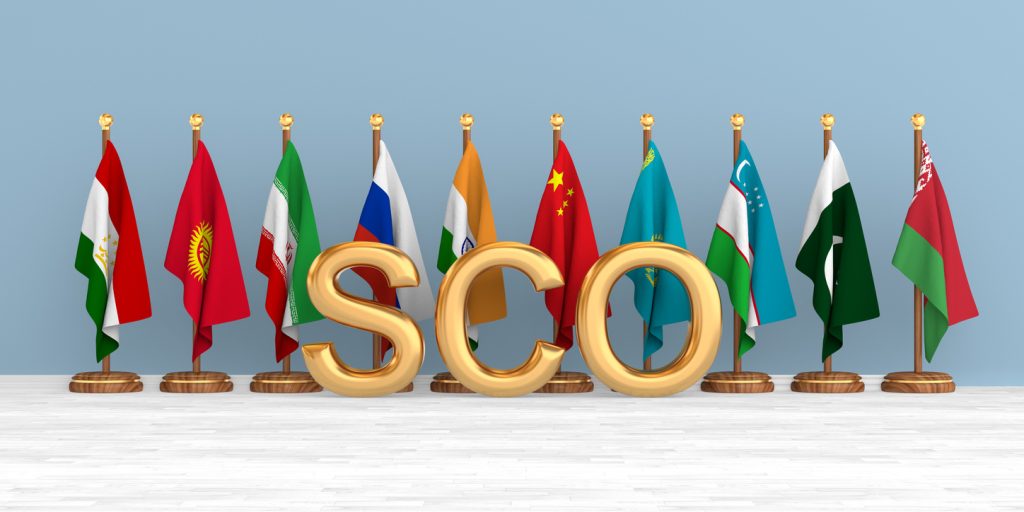
The summit’s main agendas include the adoption of a 10-year development strategy extending to 2035, the issuance of the Tianjin Declaration, a joint statement marking the 80th anniversary of the end of World War II, and strengthening security cooperation in areas such as counter-terrorism, organized crime, cybersecurity, and anti-narcotics efforts.
East-West Confrontation: The Geopolitical Context
The 2025 SCO Summit takes place against a backdrop of intensifying strategic rivalry between Eastern and Western powers in recent past years. The war in Ukraine, extensive Western sanctions on Russia, economic and technological pressures on China, and the expansion of Western alliances in the Asia-Pacific have created a context in which many analysts view the SCO summit as the East’s political and economic response to Western unilateralism.
Accordingly, the SCO, led by China and Russia, has increasingly sought to create alternatives to Western-controlled mechanisms. These efforts include developing banking and financial cooperation outside dollar and SWIFT systems, establishing alternative trade corridors via land and sea, and strengthening energy and security alliances among member states.
Roles of Member States and Geopolitical Implications
Russia’s presence at the summit offers an opportunity to break part of the Western sanctions isolation. For China, hosting the summit demonstrates its leadership capacity in a multipolar world and reinforces the “Shanghai spirit.” India, despite extensive economic ties with the U.S., uses this platform to emphasize its strategic autonomy.
Meanwhile, Western countries are closely monitoring these developments, as greater cohesion among SCO members can weaken the influence of Western-centric institutions in Asia and Eurasia.
Opportunities and Challenges
The SCO has opportunities to develop a common market, enhance technological synergy, cooperate on energy, and establish a comprehensive security framework. However, border disputes, economic competition, and internal conflicts of interest among members continue to impede the formation of a fully integrated Eastern bloc.
By Mohsen Mowahed