UN: Child Marriage and Maternal Deaths Rising in Afghanistan
DID Press: Four years after the Taliban’s return to power, the situation of Afghanistani women and girls has reached its most critical point, with early and forced marriages on the rise, maternal mortality increasing, and women’s access to education and employment sharply curtailed, warned UN.
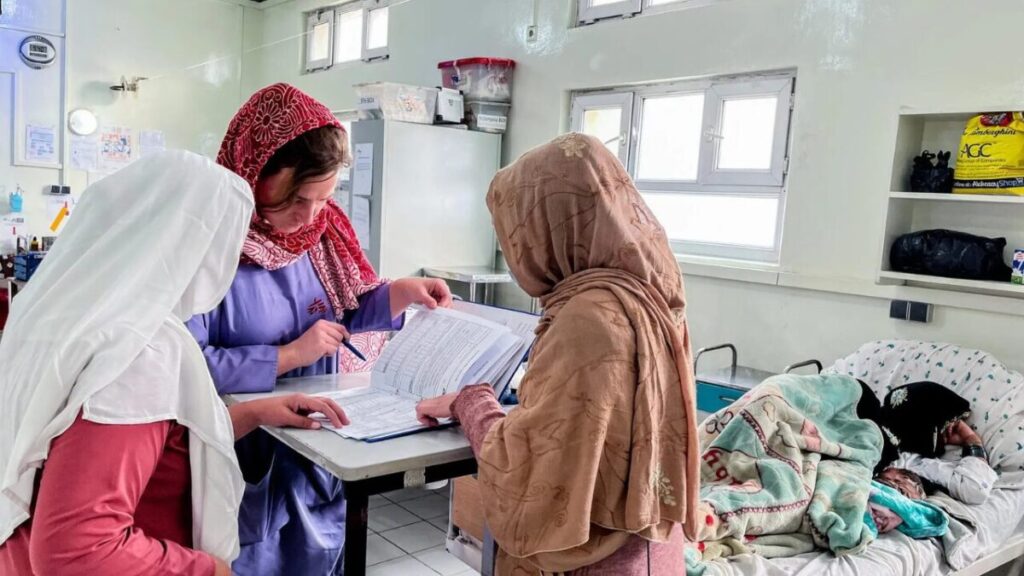
According to the report, in 2023 nearly 30 percent of girls under the age of 18 were married, including 10 percent who had not yet turned 15. Predictions suggest that by 2026, early pregnancies in Afghanistan will rise by 45 percent, while maternal deaths may increase by more than 50 percent.
Many families, driven by poverty and unemployment, are turning to child marriage as a “survival strategy.” Data also shows that 78 percent of young Afghanistani women are neither in education, employment, nor vocational training—a rate almost four times higher than that of young men.
“This is not just about schools,” a UN official warned. “It is about lost futures, destroyed livelihoods, and communities trapped in poverty.”
Experts stress that denying girls secondary education costs Afghanistan at least 2.5 percent of its GDP annually.
To curb the trend and prevent further disaster, the report urged: “Discrimination must not be normalized. Any action or engagement that inadvertently reinforces Taliban’s discriminatory policies amounts to complicity in the deprivation and indignity of women.”
Four years on, none of the restrictions have been lifted, leaving the future of millions of Afghanistani girls and women shrouded in uncertainty and despair.