Role of Religion in Afghanistan: Examining Faith in Constitution and Society
DID Press: Afghanistan’s 2004 Constitution declares Islam as the official religion of the country and stipulates that all laws must align with the principles of Islamic Sharia.
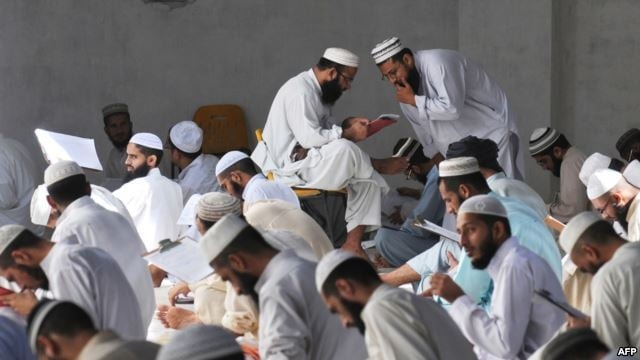
Religion in Afghanistan extends beyond personal belief, serving as a cornerstone of national identity, political structure, and cultural life. Islam, as the official and dominant religion, holds a special place not only in the constitution but also in the daily lives of Afghanistan citizens. This report explores the role of religion in Afghanistan, the place of Islam in the constitution, its influence on culture and society, and the country’s religious diversity.
Islam in Afghanistan Constitution
A key aspect of religion in Afghanistan is its constitutional role. The 2004 Constitution designates Islam as the state religion and mandates that all legislation conform to Islamic Sharia. This enshrines religion as the foundation of Afghanistan’s legal and governance systems.
The Constitution requires the president and most senior officials be Muslims. Family law, inheritance, marriage, and other social regulations are primarily based on Islamic jurisprudence, positioning religion as a central factor in policy-making and legislation.
This deep connection between religion and law reflects the beliefs of the majority and underscores the importance of Islam in maintaining national cohesion and collective identity.
Impact of Religion on Daily Life
In Afghanistan, Islam is not merely a faith—it is a lifestyle influencing behavior, rituals, and social interactions. Daily prayers, fasting during Ramadan, and participation in religious festivals like Eid al-Fitr and Eid al-Adha demonstrate the pervasive role of religion in everyday life.
Religious practices foster social gatherings, strengthen family bonds, and preserve cultural traditions. In rural and underserved areas, religious leaders play a crucial role in resolving disputes and guiding communities, given that many governmental institutions and public services have limited reach.
Thus, religion functions not only as a personal belief system but also as a powerful social and cultural force that promotes unity among Afghanistan’s diverse ethnic and tribal groups.
Religious Diversity in Afghanistan
While Islam is the dominant religion, Afghanistan hosts notable religious diversity. The majority are Sunni Muslims, while Shia Muslims, particularly among the Hazara community, follow the Jafari school of thought.
Smaller religious minorities, including Hindus, Sikhs, and Christians, are present in certain regions. Although limited, this diversity has influenced Afghan culture and politics, occasionally leading to social and political challenges.
Nevertheless, religion remains central to ethnic and national identity and shapes daily interactions across the country.
Importance of Religion in Afghanistan Culture
Religion, particularly Islam, has profoundly influenced Afghanistan culture and arts. Customs, language, music, and traditional arts are shaped by religious teachings and rituals. From classical Persian and Pashto literature to contemporary poetry and prose, religious influence is evident.
Religion also serves as a unifying factor in Afghanistan society. Despite linguistic, ethnic, and regional diversity, shared religious beliefs help maintain a degree of cohesion in a country with a complex history.
Conclusion
Overall, religion plays a vital role in Afghanistan’s social, cultural, and political structures. Islam, as the state religion, forms the foundation of the constitution and permeates daily life, culture, and identity.
A comprehensive understanding of religion’s role in Afghanistan provides valuable insight into the country’s political, cultural, and social dynamics, recognizing faith as a key determinant in shaping Afghan society.