Environmental Challenges in Afghanistan: Crises, Causes, and Solutions
DID Press: Afghanistan, a country rich in natural resources, has in recent years faced mounting environmental challenges, including air pollution, natural resource degradation, climate change, and biodiversity loss. These crises threaten public health and sustainable development. According to the United Nations Environment Programme (UNEP), Afghanistan’s environmental situation has become a key national and regional concern.
Main Factors Behind Environmental Degradation
Conflict and Insecurity:
Over four decades of continuous war have severely damaged Afghanistan’s natural resources. Vegetation loss, illegal logging, and destruction of habitats are direct consequences of prolonged conflict. Unregulated and excessive mining, particularly of coal and copper, has led to soil degradation and groundwater contamination.
Climate Change and Drought:
Afghanistan is one of the most climate-vulnerable countries in the world. UN data show that average temperatures have risen by about 1.5°C over the past 30 years. Reduced rainfall and increasing droughts have depleted water resources, severely affecting agriculture in many regions.
Overuse of Natural Resources:
Unsustainable harvesting of wood for fuel and construction, especially in rural areas, has caused a dramatic loss of forests—estimates suggest over 90% of Afghanistan’s natural forests have been lost in recent decades. Poor water management and lack of modern irrigation techniques have resulted in water waste and soil erosion.
Air Pollution:
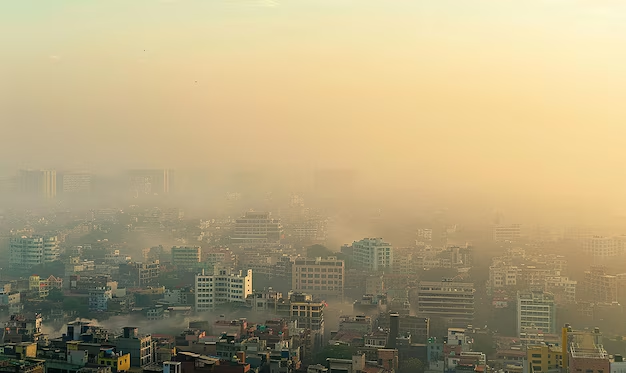
Kabul is among the world’s most polluted cities, with PM2.5 levels exceeding 120 micrograms per cubic meter on heavily polluted days. Contributing factors include old vehicles, low-quality fuels, and industries lacking environmental controls.
Water Pollution and Waste Management:
More than 40% of Afghanistan’s population lacks access to safe drinking water. Industrial and human waste contamination poses a serious public health threat. Urban waste collection and management systems are largely inadequate and poorly organized.
Key Environmental Threats in Afghanistan:
| Threat | Main Causes |
|---|---|
| Air pollution | Old vehicles, low-quality fuels, dust |
| Drought & water scarcity | Reduced rainfall, poor water management |
| Deforestation | Illegal logging, overuse of wood resources |
| Soil erosion | Unsustainable agriculture, vegetation loss |
| Biodiversity loss | Illegal hunting, habitat destruction |
| Water pollution | Industrial & human waste, river contamination |
Potential Solutions
Policy and Legislation:
Strengthen environmental laws and improve oversight of mining, logging, and industrial pollution. Implement national programs to reduce air pollution, particularly in major cities such as Kabul and Herat.
Education and Community Engagement:
Raise public awareness of environmental protection through education, media, and NGO participation. Promote sustainable agriculture and efficient water use.
Technology and Resource Management:
Invest in clean energy technologies, including solar and wind, to reduce reliance on fossil fuels. Develop modern irrigation systems and efficient waste management practices.
International and Regional Cooperation:
Collaborate with neighboring countries and international organizations to manage shared water resources and address climate change. Mobilize technical and financial support for environmental projects.
Political Factors:
Political stability, transparency, and rule of law are key to improving Afghanistan’s environmental situation. Weak government institutions, corruption, and lack of comprehensive planning have rendered many environmental initiatives ineffective. Low prioritization of environmental issues in national policies has further exacerbated the crises.
Conclusion:
Afghanistan’s environmental crises represent a major challenge with impacts extending beyond its borders. Given the importance of natural resources and their direct effect on food security, health, and sustainable development, urgent and comprehensive action is needed. Coordinated national efforts, international cooperation, and the application of modern technologies can pave the way for sustainable development and environmental protection in Afghanistan.