DID Press: Rahmatullah Nabil, former head of Afghanistan’s National Directorate of Security (NDS), says that recent trips by senior Pakistani civilian and military officials to Washington — and their closed-door meetings with U.S. officials — indicate Islamabad is attempting to revive its “engineered destabilization project” in Afghanistan. According to Nabil, this strategy has historically been used as a launchpad for exporting insecurity to Central Asia and Iran’s eastern borders.
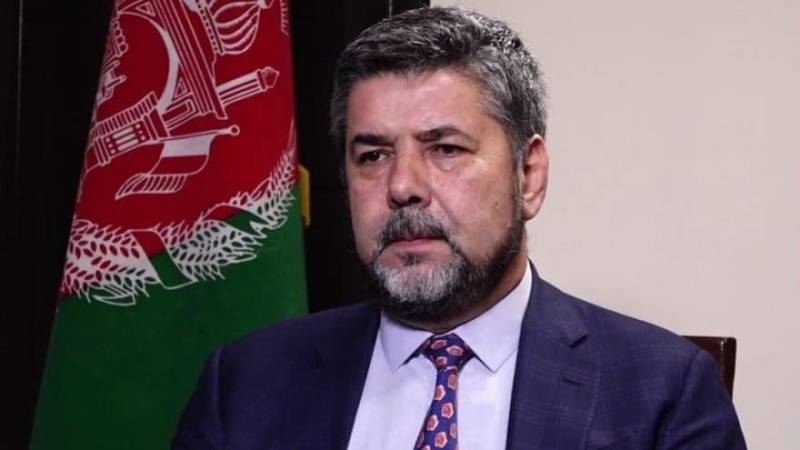
Nabil said on Thursday (30 October) that although such efforts have precedent, “this time the situation is different.” He added that regional countries — including Iran, India, China, and Russia — now share a clear understanding of Pakistan’s intent and role, and will not allow Afghanistan to again become a playground for Islamabad’s intelligence agenda.
According to Nabil, security sources have reported unusual activity in Mastung (Balochistan), Malakand, Bajaur, and Waziristan — areas that, according to reports, have become training hubs for Islamic State–Khorasan (IS-K)-affiliated militants. He asserted that Pakistan seeks to use these networks to pressure the Taliban and as a bargaining chip with Washington and other powers by creating threats and then offering to control them.
Nabil further noted that India’s renewed intelligence engagement with Kabul, repeated covert China–Taliban contacts — including a trip by Chinese security officials on 23 October — and Russia’s growing outreach to the Taliban reflect increasing concern among regional powers over Pakistan’s policies.
He added that Pakistan itself is facing a fragile internal situation: an economic crisis, capital flight, divisions between civilian and military institutions, and escalating Tehrik-e-Taliban Pakistan (TTP) attacks have significantly weakened internal stability. “In such circumstances,” Nabil warned, “playing the Afghanistan insecurity card may be Islamabad’s last — and most dangerous — option.”
He cautioned that if tensions and terrorist attacks rise, international attention may again shift to the security of Pakistan’s nuclear arsenal.
“Neither the region is the same as it was two decades ago, nor is Pakistan the Pakistan of the past. If the destabilization project ignites again, this time the fire will burn its architect first,” concluded former Afghanistan intelligence chief.