Bilateral Ties Uncertain as Taliban-Pakistan Talks Failed in Istanbul
DID Press: The third round of talks between the Taliban government and Pakistan in Istanbul, mediated by Turkey and Qatar, ended without any concrete outcome. Pakistan’s Defense Minister Khawaja Muhammad Asif declared the negotiations a “failure,” citing deep-rooted differences between the two sides. Meanwhile, the Taliban said the uncooperative approach of the Pakistani delegation and their refusal to make security commitments prevented any agreement.
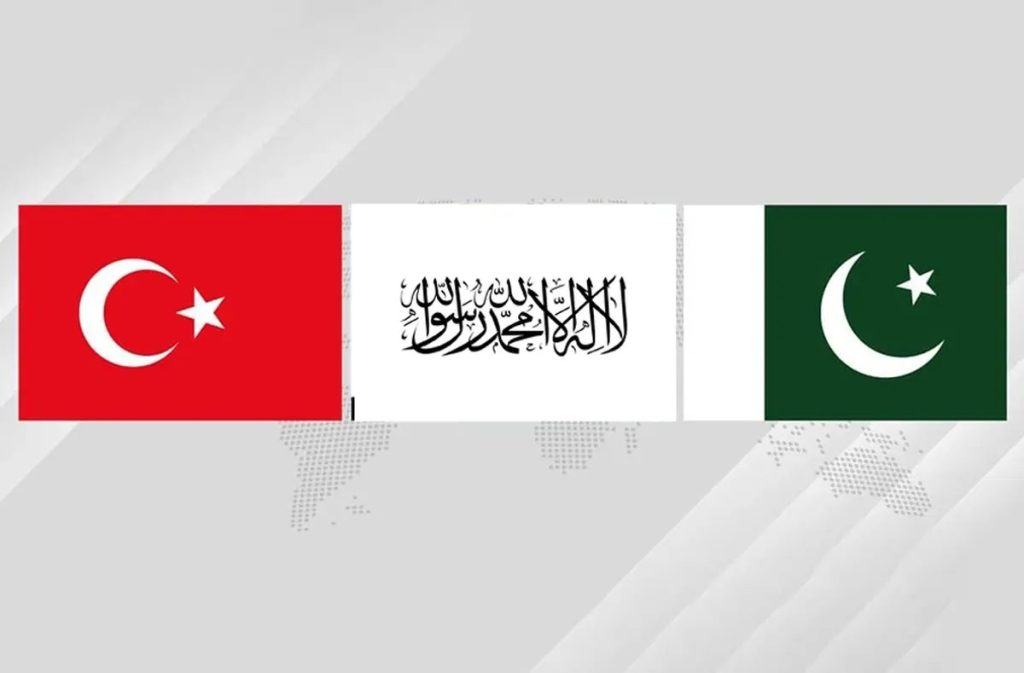
The key question now is: what does this deadlock mean for future Kabul-Islamabad relations?
Observers note that the historical differences between Afghanistan and Pakistan run far deeper than any single round of talks in Doha or Istanbul can resolve. The security-driven nature of the dispute today underscores the depth of the divide.
Roots of the Dispute: Two Competing Views of ‘Security’
Pakistan has long accused the Taliban of sheltering the Tehrik-i-Taliban Pakistan (TTP) in Afghan territory, allowing attacks on Pakistani security forces. The Taliban counter that they do not have full control over the border, and any unilateral Pakistani military action violates Afghan sovereignty.
Analysts say these conflicting interpretations of “national security” are at the core of the negotiation deadlock.
Istanbul Talks and Signs of Failure
The third round aimed to establish a mechanism for ceasefire monitoring and curb border violence. After two days of discussions, the Pakistani delegation declared the talks a failure due to “deep disagreements”.
So far, Turkey and Qatar, the mediators, have remained silent on the details and whether they plan to propose a continuation of the process.
Possible Scenarios for Future Taliban-Pakistan Relations
A) Return to the Negotiating Table with Strong Monitoring
With effective mediation, both sides could adopt a tripartite border monitoring mechanism. This cautious but positive scenario could reduce tensions and manage the crisis. The Taliban would need to limit armed group activities at the border, while Pakistan would pledge to avoid unilateral military actions and respect Afghan airspace and territory.
B) Limited Agreement and Localized Ceasefires
The two sides might agree on localized ceasefires or protection of trade routes. This is a short-term, fragile solution, vulnerable to any border incidents.
C) Escalation of Border Clashes and Diplomatic Collapse
If Islamabad believes the Taliban have failed to meet commitments, it may launch targeted attacks or limited military operations in Afghanistan, prompting potential direct confrontation — the “worst-case scenario.”
D) Greater Involvement of Regional Actors
Prolonged deadlock could lead regional powers like Iran, China, or Russia to join mediation efforts. While this may create new opportunities, it also risks competition among mediators and could shift the regional balance of power.
Policy Implications and Recommendations
To achieve relative stability, both countries should:
Establish internationally monitored border mechanisms with neutral mediators.
Maintain direct military and political contact to prevent misunderstandings.
Pursue regional security coordination, leveraging influential actors like Qatar and Turkey.
Focus on joint economic and transit projects to strengthen mutual interests.
Conclusion
The failure of the Istanbul talks highlights a deepening rift between the Taliban government and Pakistan, rooted in historical mistrust and conflicting security interests.
While both sides speak of continuing dialogue, without clear monitoring mechanisms, defined responsibilities, and guarantees for commitments, the outlook for bilateral relations remains uncertain and unstable.
Istanbul may not mark the end of negotiations, but rather the beginning of a protracted phase of diplomacy and a test of power between two neighbors bound to interact with each other.
By Mohsen Mowahed