Global Pact Targets Heart Disease and Mental Health
DID Press: For the first time, governments worldwide have committed to tackling chronic non-communicable diseases (NCDs), including heart disease, cancer, diabetes, and mental health disorders, by 2030.
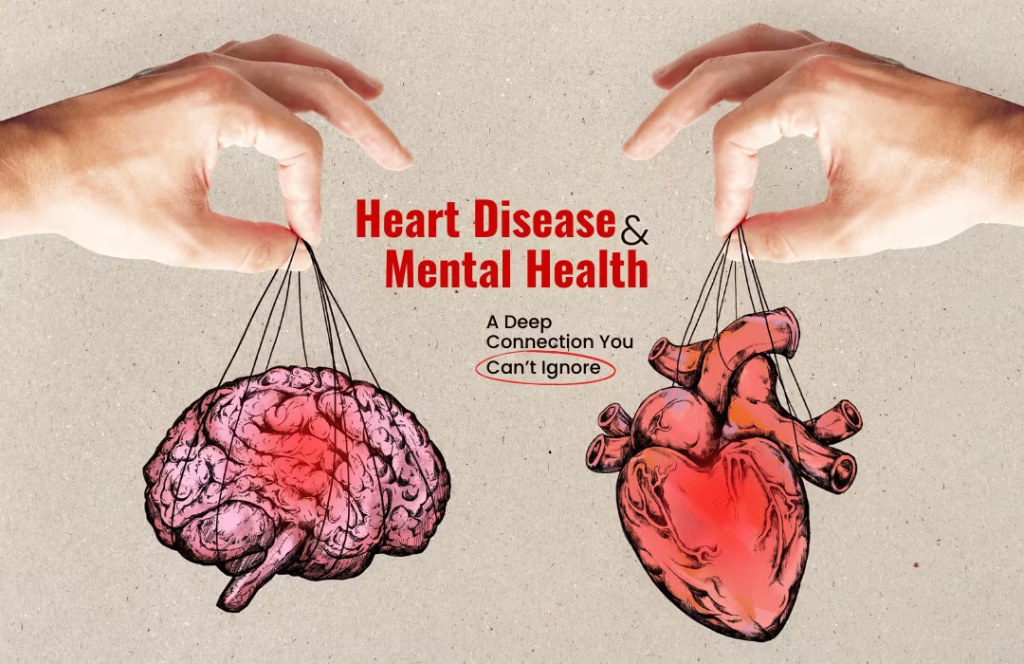
The historic agreement recognizes the growing impact of these conditions on human lives and the global economy, setting specific targets such as reducing tobacco use, improving blood pressure control, and expanding access to mental health services for millions of people.
WHO Director-General Tedros Adhanom described the commitments as a “once-in-a-generation opportunity” to improve global health and quality of life. Progress will be monitored through regular reporting to the United Nations.
However, the World Food Programme (WFP) warns that over 17 million Afghans face a hunger crisis, exacerbated by unprecedented cuts in humanitarian funding. John Iliffe, WFP country director in Afghanistan, stated that families are resorting to extreme survival measures, and child mortality is rising. Immediate aid of $468 million is needed to assist six million people during winter.
In the Democratic Republic of Congo, ongoing conflict has displaced more than 500,000 people in South Kivu province, halting humanitarian operations amid escalating violence. The UN High Commissioner for Refugees (UNHCR) reports that around 64,000 Congolese have fled to Burundi.
These crises highlight that while global attention is focused on long-term health goals, vulnerable regions continue to require urgent humanitarian assistance, including shelter, medical care, and support for separated children and at-risk women.