DID Press: A review of the battlefield record and operational role of General Qassem Soleimani suggests he functioned not only as a military commander, but also as the architect of a new geopolitical framework — one in which non-state actors, fragile governments, and transnational identities operated as parts of an interconnected network.
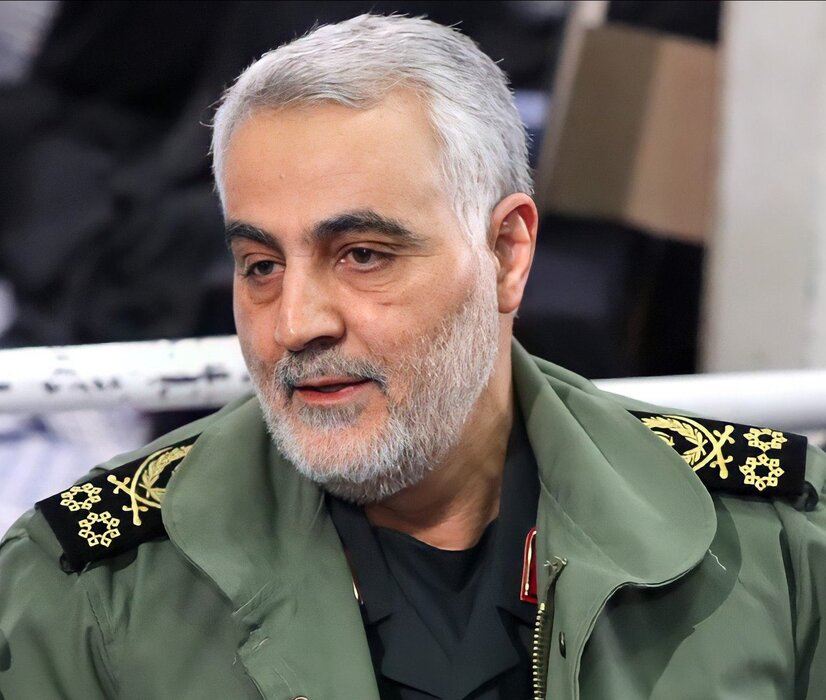
Soleimani helped transform what had been a scattered set of armed groups into a coordinated “axis of resistance,” linking Baghdad, Damascus, Beirut, and Gaza within a shared security logic.
For him, geography was not merely a map, but a sphere of meaning. Events such as the fall of Baghdad, the war in Syria, or the rise of ISIS were seen as interlocking crises: if one link broke, the wider regional structure risked collapse. Soleimani recognized this interdependence earlier than most and positioned himself as a buffer against cascading instability.
In the campaign against ISIS, his objective went beyond symbolic victory. His strategy focused on severing the territorial lifelines of militant networks. From Amerli to Al-Bukamal, he emphasized connectivity across fronts — aligning forces, intelligence, and political will. As a result, ISIS shifted from an aspiring “caliphate project” into a diminished and attritional threat.
What distinguished Soleimani, supporters argue, was his ability to combine hard power with social and political capital. He was frequently present on the front lines, engaging local fighters and commanders, and projecting an image of trust and accessibility that extended beyond a conventional military role. This visibility made him an influential figure across regional political-military structures — and, at the same time, a primary target for adversaries from Israel to Arab rivals and the United States.
Soleimani’s assassination in January 2020 was intended not only to eliminate a senior commander, but also to disrupt the networked strategy he had helped design. However, the systems he built proved durable; coordination among allied groups persisted, and the doctrine of deterrence entered a new phase.
Although Qassem Soleimani is gone, the geopolitical architecture attributed to him remains active — illustrating how, in the Middle East, a single strategist can at times operate across borders and reshape the strategic map.
International Desk — DID News Agency
#Hero_of_the_Islamic_ummah