DID Press: Pakistan’s economy is gripped by an illusion of stability—one driven not by structural reform but by administrative intervention in the foreign-exchange market. The artificial pegging of the rupee around 280 per dollar has created a surface calm, yet in practice it has weakened export competitiveness and widened the trade-balance gap.
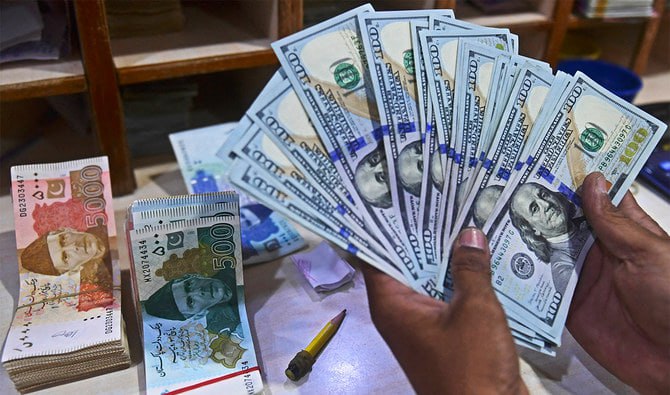
Pakistani economists warn that recent improvements in headline macro indicators are cyclical and temporary, with no evidence of fundamental reforms in productivity, taxation, or the energy sector. Past episodes show that such artificial support for the currency ultimately ends in abrupt devaluation of the rupee, with severe economic spillovers.
Analysts stress that Pakistan’s exports are retreating on four fronts simultaneously: price, quality, reliability, and market access. Sharp increases in energy, wage, and tax costs—combined with an overvalued exchange rate—have pushed dollar prices of Pakistani goods above competitors, redirecting global demand toward India, Vietnam, and Bangladesh. Even Pakistan’s Basmati rice has lost market share due to higher prices.
Official data reinforce the trend: in the first seven months of fiscal year 2026, the trade deficit widened by 28% to $22 billion; exports fell 7% while imports rose 9%. A stronger rupee has effectively penalized exporters while encouraging consumption of luxury imports.
Economists argue that in Pakistan the exchange rate has become more of a political symbol than an economic instrument, unlike successful Asian economies that use competitive currencies to drive industrial development. They contend that the path forward requires depoliticizing the exchange rate, allowing the rupee to reflect its real value, cutting production costs, and systematically supporting exporters—only then can the economy move from illusory stability toward sustainable, export-led growth.