Political Isolation, Knowledge Gaps Leave Afghanistan Vulnerable to External Threats
DID Press: Afghanistan’s recent vulnerabilities underscore a deeper strategic crisis: the combination of political isolation, gender discrimination, and limited access to modern education has left the country exposed to foreign interference. Analysts argue that national sovereignty cannot be maintained through closed borders or emotional rhetoric alone; it requires robust international engagement, accurate documentation of violations, and equipping the next generation with modern knowledge and skills.
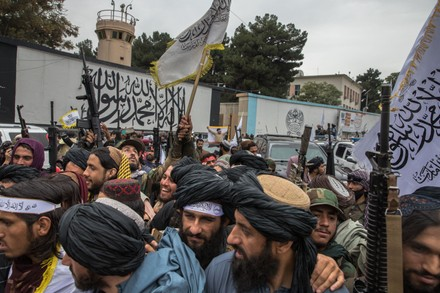
Recent airstrikes in Nangarhar, Khost, and Paktika illustrate the consequences of these systemic weaknesses. In today’s globalized world, wars are often won or lost first in diplomatic arenas and information networks, long before the first bullets are fired. Without active representation in international forums, Afghanistan lacks the legal and diplomatic tools to challenge narratives imposed by regional powers, which often frame Kabul as a “terrorist haven” to justify incursions.
Moreover, the country’s defense capabilities are intrinsically linked to human capital and technological development. Excluding women from education and limiting curricula to traditional, non-specialized content undermines the nation’s ability to cultivate scientists, engineers, diplomats, and strategists. In contrast, neighboring countries are rapidly advancing in artificial intelligence, cybersecurity, and digital economies, creating an uneven playing field that Afghanistan may struggle to recover from in the coming decades.
Military responses such as sporadic operations, border fortifications, or guerrilla threats provide symbolic resistance but fail to inflict strategic deterrence. Sustainable defense emerges from inclusive political structures, societal legitimacy, and national cohesion. Only when all sectors of society see their interests reflected in governance can an unbreakable collective will take shape.
As long as internal divisions, gender inequality, and educational isolation persist, Afghanistan will remain perceived globally as a lawless or crisis-prone state, inviting external actors to intervene under the pretext of defending against alleged threats. Real security stems from knowledge, diplomacy, and national unity—not from temporary military displays.
The recent attacks serve as a stark warning: without reversing the trends of global isolation and erosion of human capital, Afghanistan faces a spiral of vulnerability in which geographic borders are undermined by gaps in education and political influence. True strength grows from classrooms, negotiation tables, and national solidarity. Until these foundations are rebuilt, Afghanistan’s skies and lands will remain arenas for the ambitions of those exploiting its knowledge and policy deficits.
By Seyed Baqer Waezi – DID News Agency