2025 Becomes Deadliest Year for Journalists in 3 Decades
DID Press: The Committee to Protect Journalists (CPJ) says 2025 has been the deadliest year for journalists in the past three decades, with 129 journalists and media workers killed worldwide, while responses from governments and international institutions have been limited to scattered statements.
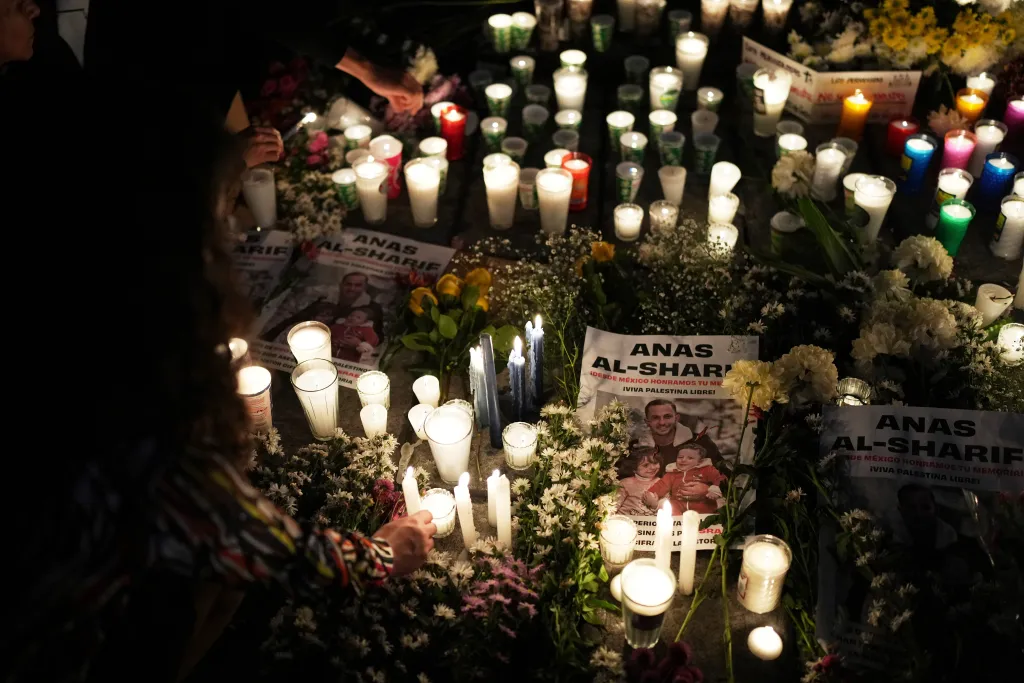
Jodie Ginsberg, CPJ’s executive director, warned that the unprecedented rise in journalist killings comes at a time when access to reliable information is more critical than ever. She said journalists are being targeted more than at any point in recent history, while governments are not only failing to protect them but are, in many cases, identified as perpetrators or accomplices in the violence.
According to the report, more than three-quarters of the deaths occurred in conflict zones, and two-thirds were attributed to Israeli forces—figures that underscore how the war in Gaza Strip has become not only a humanitarian catastrophe but also one of the largest arenas for the suppression of journalists. The Israeli military has repeatedly denied deliberately targeting journalists, but the data paints a starkly different picture.
Similar patterns have been documented in Ukraine and Sudan, where ongoing wars have claimed the lives of civilians as well as reporters seeking to document events on the ground. CPJ noted that the rising death toll from drone strikes—particularly in Gaza—highlights how new military technologies are increasingly endangering journalists.
Beyond active war zones, killings of journalists continue in countries such as Mexico, Bangladesh, India, and Peru, often without transparent investigations or accountability. Six journalists were killed in Mexico alone, with no one held responsible, reinforcing concerns about entrenched impunity.
Alongside the death toll, the report says 329 journalists are currently imprisoned and 84 remain missing. CPJ said the figures show that threats to press freedom are not diminishing but have escalated into what can only be described as a global crisis—one the world appears increasingly willing to ignore.