DID Press: Rising US military deployments in the Middle East have triggered deep concern among Gulf states over a potential direct conflict between Washington and Tehran. Hosting key American bases, these countries fear the consequences of a large-scale war and are seeking to prevent escalation. Reports indicate at least 108 U.S. refueling aircraft are either deployed in the region or en route, with some military commanders warning that operations could start “at any moment.”
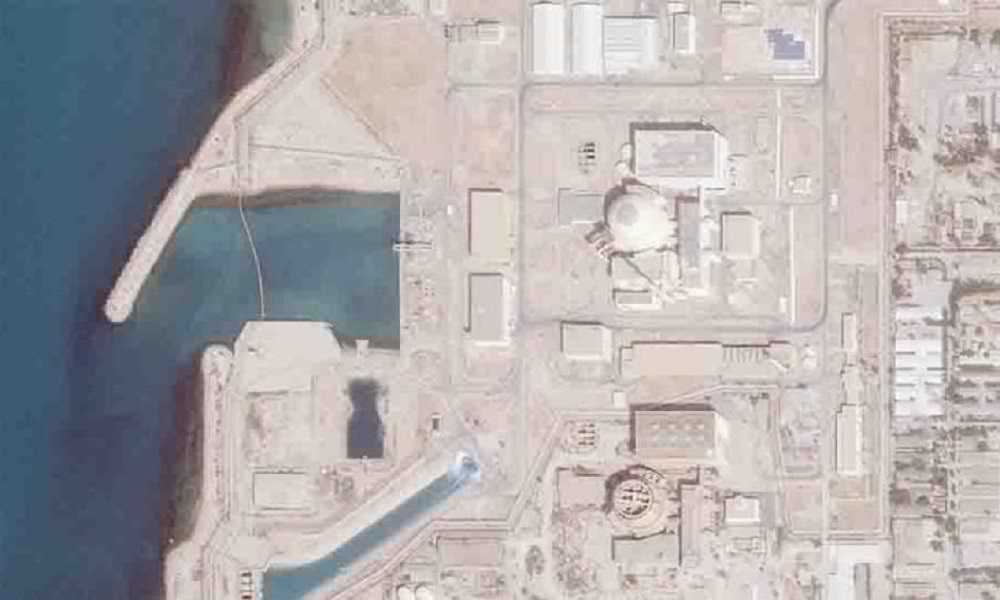
While U.S. planners evaluate potential targets, Iraq and Gulf Cooperation Council nations are more focused on Iran’s likely responses. Gulf analyst Anna Jacobs-Khalaf noted that although these states may welcome a weakened Iran, they are primarily concerned about instability, power vacuums, and the rise of more radical groups.
Since the start of the year, Saudi Arabia, Qatar, Oman, along with Turkey and Egypt, have pursued intensive diplomatic efforts to reduce tensions between Tehran and Washington. These efforts are driven not by support for Iran, but by fear of being caught in the front line and the possible collapse of regional order. Analyst Badr Saif warned that structural changes in Iran could lead to “unmatched Israeli hegemony,” a scenario contrary to Arab states’ interests.
Threats to the Gulf are multi-layered. Iran has repeatedly stated that U.S. bases in the region are legitimate targets, meaning any new conflict could endanger military and critical infrastructure in Qatar, UAE, Saudi Arabia, and Bahrain. The 2019 attacks on Saudi oil facilities illustrated the vulnerability of these countries to missile and drone strikes.
Even without direct attacks, the economic and humanitarian consequences of war could be severe, including capital flight, labor disruption, refugee crises, possible closure of the Strait of Hormuz, increased shipping insurance costs, and oil price surges.
Strategically, analysts warn that conflict could push Iran to abandon nuclear constraints and pursue armament, undermining Washington’s stated goals and leaving Gulf states with a nuclear-armed neighbor.
For these reasons, Saudi Arabia and the UAE have refused to allow their airspace to be used for potential operations against Iran. While tensions rise, Arab allies of the U.S. emphasize that war would serve neither their interests nor regional stability.
Source: Responsible Statecraft