Middle East Water Crisis: Kuwait Highly Dependent, Iran Maintains Relative Independence
DID Press: As water scarcity emerges as a strategic challenge in the Middle East, reliance on desalination plants highlights stark differences in regional water security.
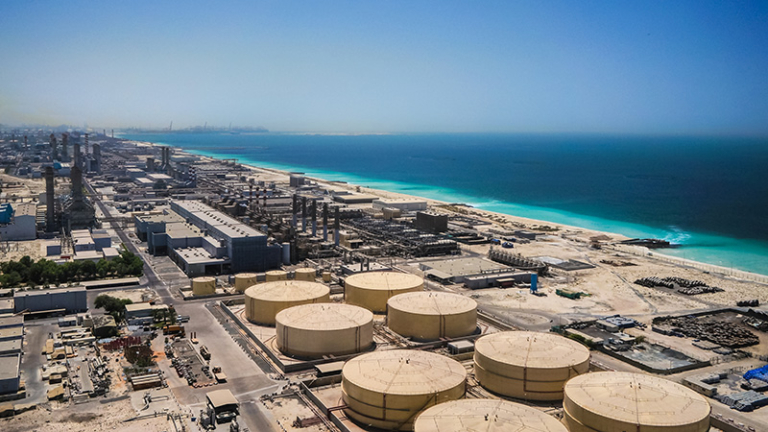
Iran obtains only about 2% of its drinking water from desalination, relying mostly on domestic sources and a mix of traditional and modern water management systems.
By contrast, Gulf states are heavily dependent on seawater desalination. Kuwait relies on 90%, making potable water nearly impossible without these facilities. Saudi Arabia depends on roughly 70%, and United Arab Emirates around 42%, leaving them vulnerable to energy disruptions, maritime transport issues, and security threats.
Israel also sources about 75% of its drinking water via desalination, creating heavy reliance on energy-intensive and costly infrastructure.
These figures underscore that water security in the region is not merely an environmental issue but a geopolitical and strategic challenge. Countries heavily dependent on desalination face immediate risks from energy crises, infrastructure disruption, or military tensions, whereas nations like Iran, with lower reliance, enjoy a wider margin of security.