DID Press: A new wave of drone and missile attacks has been reported across the Middle East, as forces aligned with Iran and its regional allies escalate operations against positions linked to the United States and Israel. The Iranian military’s central command announced that drone units launched strikes from multiple locations targeting sensitive Israeli sites, including the Tel Nof Airbase, as well as U.S. aircraft deployments at Azraq Air Base. The attacks were described as part of an operation dubbed “True Promise 4,” aimed at degrading adversary military capabilities.
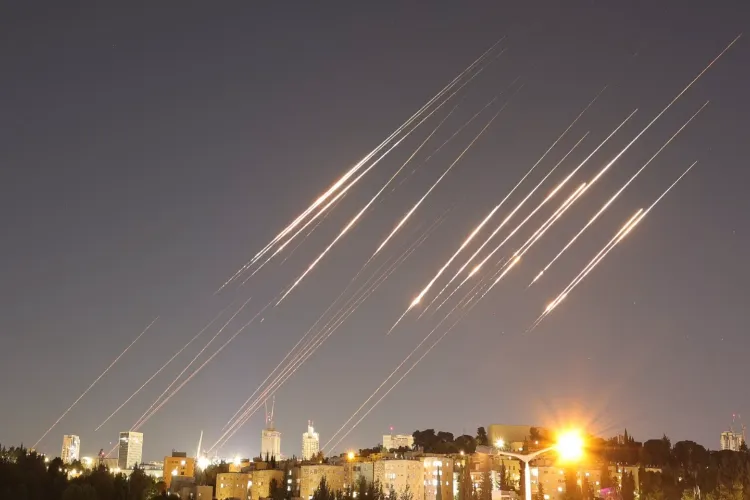
Meanwhile, the Islamic Revolutionary Guard Corps reported additional strike waves against Israeli military targets in cities including Eilat, Dimona, Tel Aviv, and Haifa, using precision missiles and loitering drones. Officials said the operations form part of a strategy intended to compel Washington and Tel Aviv to halt military actions.
In Iraq, armed groups announced that U.S. positions at Victory Base Complex had been evacuated, with some American and NATO personnel reportedly withdrawing. Certain factions described the movement as a response to mounting battlefield pressure.
Separate drone strikes were also reported in northern Iraq targeting positions of separatist groups in Erbil and Sulaymaniyah, as well as border areas.
On the Lebanese front, Hezbollah claimed responsibility for striking a key Israeli military radar system in the Galilee using suicide drones—an installation reportedly critical to Israel’s air defense coordination. Air raid sirens were heard in multiple locations across Israeli territory as pressure on military infrastructure continued.
The Israeli Ministry of Health reported that the number of injured since the start of hostilities has surpassed 5,000.
International coverage has highlighted the broader strategic and economic implications. Media outlets such as RT and Global Research assessed that Iran’s multi-front response could shift the regional balance of power and challenge the U.S.-led security framework. At the same time, Forbes reported that ongoing tensions are costing West Asia’s tourism industry hundreds of millions of dollars daily, weighing heavily on the region’s economic outlook.
Taken together, developments over the past 24 hours indicate a widening operational scope and intensifying pressure on U.S. and Israeli positions across the region—an escalation that analysts say could usher in a new phase in Middle Eastern security dynamics.