DID News: Despite a budget nearing $1 trillion and its status as one of the world’s most powerful militaries, the United States Army faces a series of structural, cultural, and managerial crises that could severely weaken its combat effectiveness in the coming years. Analysis of official Department of Defense reports, research institutions, and credible media indicates that issues such as sexual assault, harassment, discrimination, judicial corruption, mental health challenges, obesity, and service attrition are increasingly becoming strategic threats.
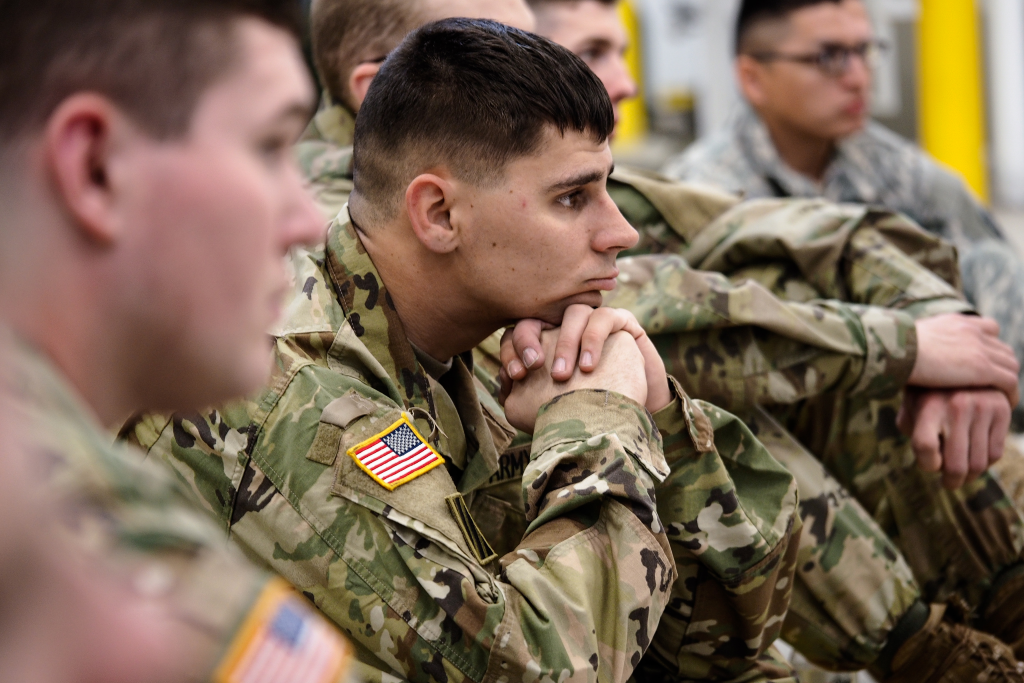
According to the 2023 annual report of the U.S. Department of Defense, sexual assault and harassment remain among the most serious internal crises. While the number of reported cases has decreased compared to 2021, thousands of service members fall victim to unwanted sexual contact annually, and a large portion of cases goes unreported.
Official statistics show that in 2023 there were 7,226 reported cases—a decrease of roughly 7,000 from 2021—but internal surveys indicate that only about 25% of incidents are reported, suggesting the real number could be several times higher.
The 2023 Gender Relations and Workplace Climate Survey confirms that sexual harassment and gender discrimination remain widespread, with women and minorities at higher risk. While the prevalence of unwanted sexual contact for women has dropped about 19% since 2021, it remains at a dangerously high level.
Fear of reporting and retaliation is a major barrier to addressing sexual violence. More than half of those who reported incidents faced retaliation or pressure, leading many victims—especially women and minorities—to leave the service prematurely rather than pursue legal recourse.
The U.S. military justice system is also under severe criticism. Only a small fraction of the thousands of assault cases reach military courts, and fewer than 20% are prosecuted. This structural weakness undermines trust in the chain of command and military justice.
Physical readiness and public health also pose challenges. Studies show that approximately 68% of U.S. military personnel are overweight or obese, directly affecting operational readiness. Additionally, about 15% of women using Veterans Affairs services report Military Sexual Trauma, with long-term psychological consequences.
Bureaucratic inefficiency, resource waste, and a toxic organizational culture further erode operational capacity, as highlighted in Brown University’s “Costs of War” report.
Taken together, these internal challenges represent not only ethical or social issues but strategic threats to U.S. national security. While Washington invests billions in advanced weapons systems, internal crises could soon lead to diminished combat readiness, declining morale, widespread attrition, and operational failures—problems that no massive defense budget alone can resolve.