DID Press: Fazlur Rehman, leader of the Jamiat Ulema-e-Islam, sharply criticized the policies of the government in Islamabad toward Afghanistan, describing the continued closure of border crossings and its economic consequences as “failed and harmful.”
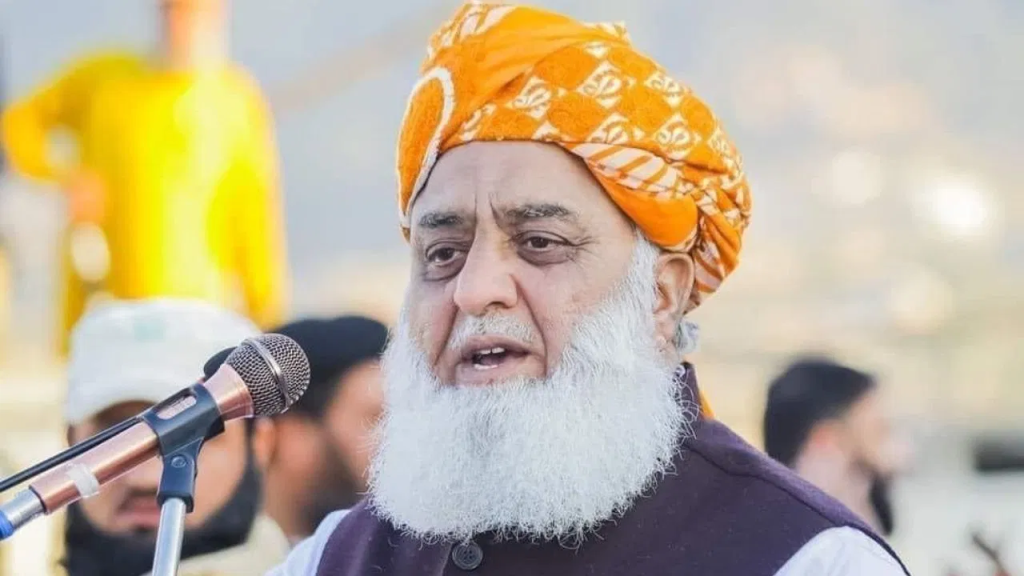
Speaking at a press conference, he stated that the government is unwilling to explain to the public and members of parliament the economic impact of the ongoing conflict in the Middle East on Pakistan’s economy. He added that if certain issues cannot be discussed publicly, they should at least be addressed in closed parliamentary sessions so lawmakers can understand the “real condition of the country.”
Fazlur Rehman emphasized that the policy of exerting economic pressure on Afghanistan through border closures has not produced results. According to him, after Pakistan shut down trade crossings, Afghanistan found alternative routes with Central Asia and Iran, while India continued its trade with East and South Asia—“but we have closed trade routes to ourselves,” he said.
Referring to the closure of Pakistan’s two main borders with Afghanistan and India, he stated: “We have closed both borders; now we cannot trade with the West, nor with the East.”
These remarks come amid tensions between Kabul and Islamabad that escalated in October last year, prompting Pakistan to shut down eight border crossings with Afghanistan—an اقدام that halted thousands of cargo trucks and disrupted supply chains.
In response, the Taliban administration granted traders a three-month deadline last November to settle contracts in Pakistan and shift trade routes. At the same time, the group increased cargo flows through Iran and Central Asia to reduce dependence on Pakistan.
According to official statistics from the State Bank of Pakistan, Pakistan’s trade with Afghanistan has declined by approximately 60 percent over the past seven months, highlighting the direct economic impact of border closures.
Fazlur Rehman also pointed to rising fuel prices in Pakistan, stating that the passage of Pakistani-flagged oil tankers through the Strait of Hormuz has had no effect on lowering domestic prices. He described the situation as evidence of the government’s “lack of economic planning.”
These criticisms come as he has previously described Pakistan’s security and foreign policies as “contradictory and ineffective,” arguing that by restricting trade while leaving infiltration routes for armed groups open, Pakistan has placed itself in a difficult strategic position.