DID Press: A recent analysis by Foreign Affairs suggests that the Persian Gulf is moving beyond an era in which the United States acted as the uncontested security guarantor of the region, entering a new phase where regional states themselves play the primary role in shaping the security order. This shift does not indicate a full US withdrawal, but rather the end of Washington’s exclusive authority in setting the rules of the game.
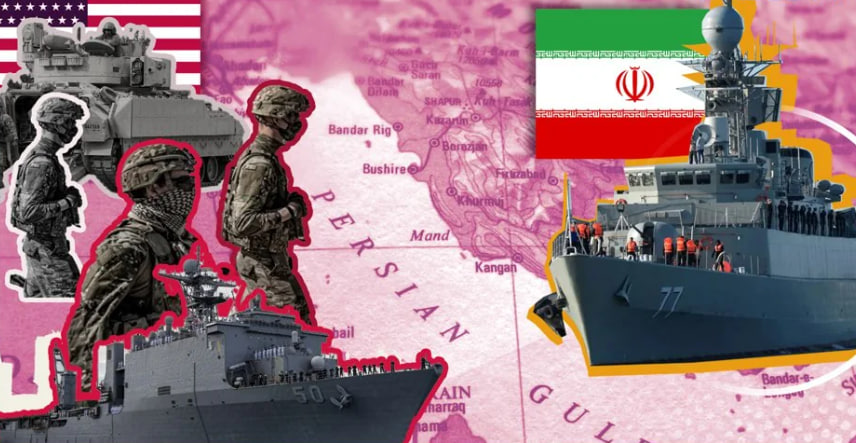
According to the analysis, declining confidence among traditional US allies in Washington’s security commitments, along with its difficulties in managing recurring regional crises, has pushed Gulf capitals toward a form of “strategic autonomy.” Saudi Arabia, the United Arab Emirates, and other regional actors increasingly view security not as an externally provided guarantee, but as the product of indigenous frameworks and multi-vector balancing.
In this context, the Saudi–Iran rapprochement—once considered tactical—has become a central pillar of the emerging order, as both sides recognize that, in the absence of a decisive Western guarantor, direct management of tensions is the only viable way to avoid prolonged conflict.
The analysis also highlights China’s pivotal role, noting that its influence is based not on military presence but on economic interdependence. China is now the top trading partner for most countries in the region, and this economic linkage has raised the cost of confrontation, thereby contributing to de-escalation.
It further argues that Washington must accept that its allies are no longer willing to subordinate their national interests to great-power competition, and are instead practicing a form of “geopolitical nationalism,” in which economic priorities and domestic stability take precedence over externally driven security agendas.
In conclusion, Foreign Affairs describes the post-American Gulf order as fragile yet real—an arrangement shaped by cold realism, direct diplomacy, and economic dependency. While it challenges traditional Western influence, it may also lay the groundwork for a more regionally grounded form of stability that has long been overshadowed by external powers.