Mullah Baradar: Afghanistan Has Not Seen a Government Like the Taliban in 500 Years
DID Press: Abdul Ghani Baradar, Deputy PM for Economic Affairs of the Taliban administration, during a visit to Faryab province described the Taliban government as a “divine blessing” and claimed that no similar system has existed in Afghanistan over the past 500 years, remarks that have drawn widespread reactions amid rising poverty, unemployment, strict social restrictions, and international warnings about worsening humanitarian conditions.
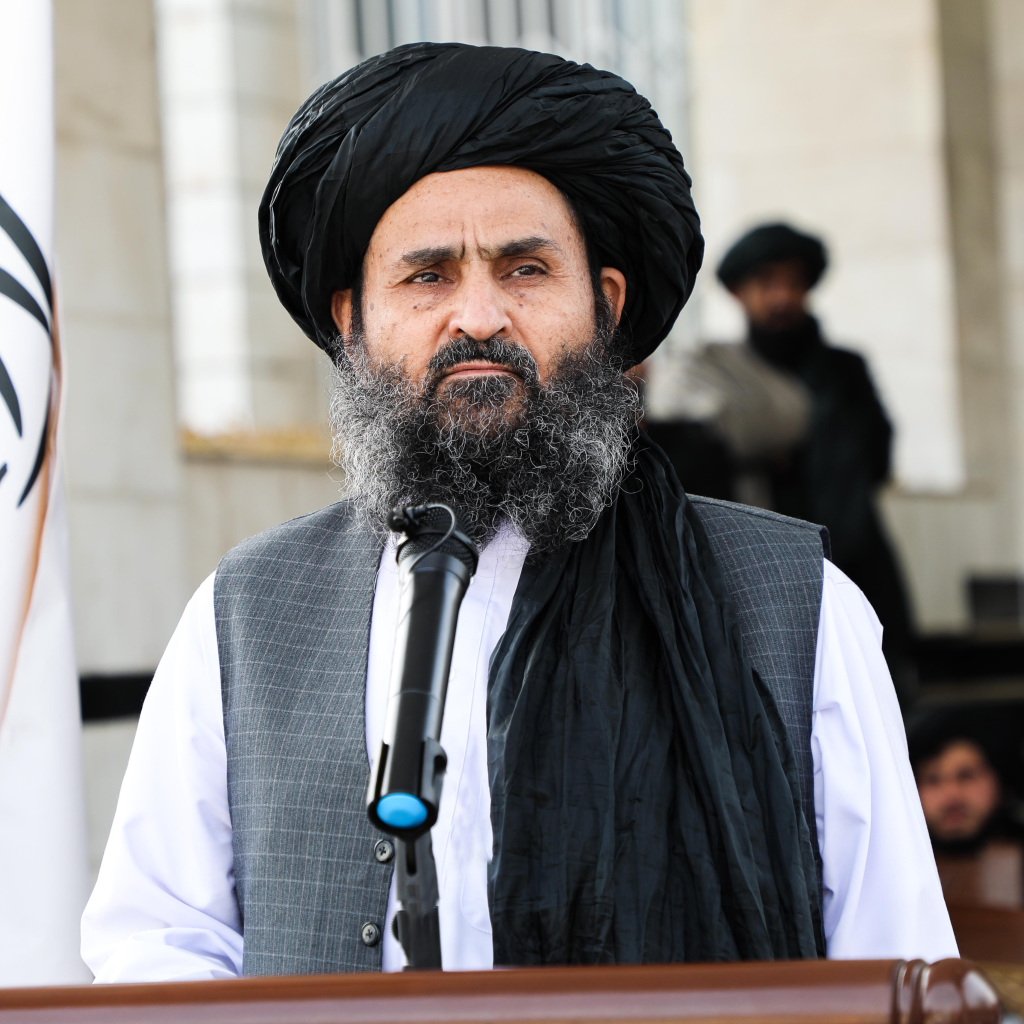
Abdul Ghani Baradar, Deputy Prime Minister for Economic Affairs, made the statement on Wednesday, April 15, during a ceremony marking the inauguration of a development project in Faryab province. He referred to the Taliban government as a “divine blessing” and urged citizens to value it, warning that “if we are not grateful for this blessing, it may be taken away.”
Baradar asserted that Afghanistan has not experienced a system comparable to the current Taliban administration in the past five centuries. His remarks come as the Taliban government, with the exception of Russia, has not been formally recognized by other countries, and Afghanistan under Taliban rule remains the only country in the world where girls’ education beyond the sixth grade is officially banned.
At the same time, international organizations present a markedly different assessment of conditions in Afghanistan. The United Nations stated in its annual report released on March 30 that living conditions for the population—particularly women and girls—have significantly deteriorated during Taliban rule. According to the report, approximately 21.9 million people, nearly half of the country’s population, are expected to require humanitarian assistance this year.
The World Food Programme has also warned that roughly one-third of Afghans are uncertain about where their next meal will come from, indicating a growing wave of hunger across the country.
Despite these warnings, Taliban authorities have characterized the economic crisis and widespread hunger as matters of “divine destiny.” Taliban leader Hibatullah Akhundzada stated in an Eid al-Fitr address last year that poverty is part of divine fate and that the poor should not complain.
Baradar’s latest remarks come at a time when unemployment, declining international aid, and extensive social restrictions—particularly those affecting women—continue to pose serious challenges to the daily lives of millions of Afghans.