Eid al-Adha in Afghanistan: Faith, Culture and Social Solidarity
DID Press: Eid al-Adha in Afghanistan is observed as a blend of religious rituals, local traditions, and strong social solidarity, spanning preparations before the holiday, animal sacrifice, family gatherings, charity distribution, and cultural customs across the country.
Preparations for Eid al-Adha in Afghanistan usually begin about a week in advance. Families in both urban and rural areas clean their homes, purchase new clothes, and prepare dried fruits and sweets to welcome guests. Livestock markets reach peak activity during this period, as people buy sheep for sacrifice. In cities such as Kabul, Herat, Mazar-e-Sharif, and Kandahar, these markets become some of the busiest public spaces ahead of Eid, where bargaining over prices is a common social practice.
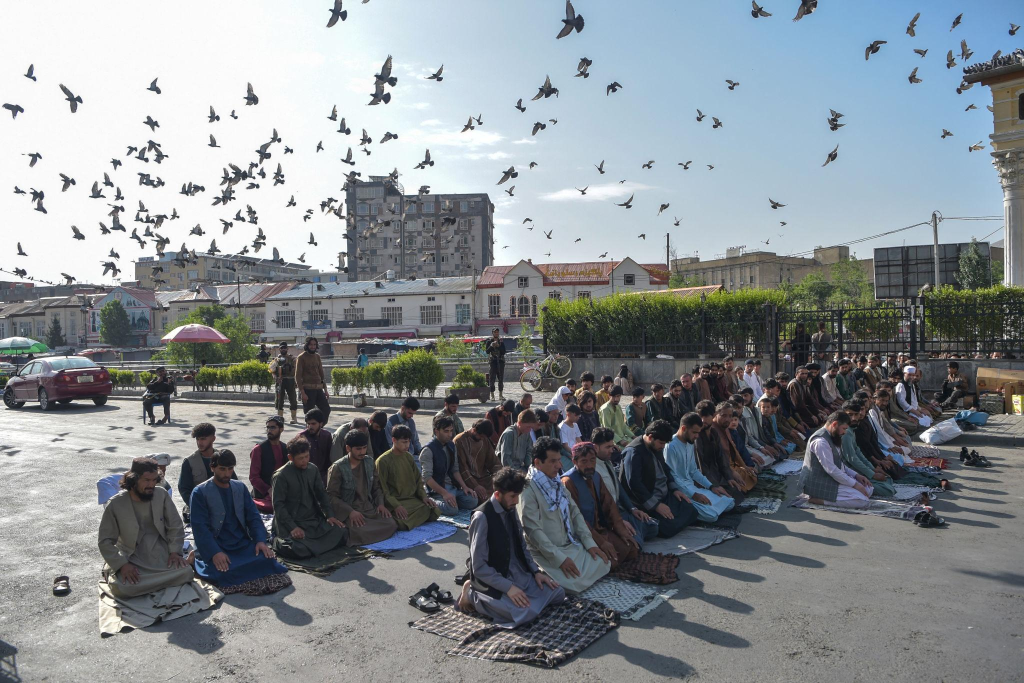
On the morning of Eid, people gather in mosques and Eid grounds to perform the Eid prayer. This large congregational worship is considered a symbol of unity and social cohesion among Muslims in Afghanistan. After the prayer, people exchange greetings such as “Eid Mubarak” and embrace one another with prayers for blessings. Visiting elders, relatives, and neighbors—especially bereaved families—is one of the main traditions of the day. These visits continue for up to three days and reinforce respect for family ties and elders.
Animal sacrifice is the central ritual of Eid al-Adha in Afghanistan and is performed according to Islamic tradition. Families typically sacrifice sheep, and in some cases cattle or camels. The meat is divided into three parts: one for the family, one for relatives and neighbors, and one for those in need. In many communities, young volunteers help distribute and package meat for low-income families, making this practice one of the strongest expressions of social solidarity in the country.
Women play a central role in Eid preparations and celebrations. In the days leading up to Eid, they prepare homes, cook traditional dishes, and make sweets. Meals such as qabili palaw, mantu, aushak, and bolani are commonly prepared for guests. Women also contribute to the cultural atmosphere of Eid by wearing colorful traditional clothing and applying henna. In some regions, young women hold henna ceremonies the night before Eid, reflecting local cultural traditions.
In rural areas, Eid is marked with greater simplicity and collective participation. Eid prayers are held in village mosques, and many families carry out sacrifices collectively. In some communities, people share communal meals after the sacrifice, often in mosques or the homes of community elders. Local games for children, group visits, and assistance to needy families are key features of rural celebrations, strengthening social bonds and preserving cultural traditions.
Eid al-Adha also serves as a time for reconciliation and repairing social relationships. Many families use the occasion to resolve disputes, reconnect with distant relatives, and strengthen community ties. The holiday is widely regarded as a moment of forgiveness and renewal within Afghan society.
However, economic challenges in recent years have affected how Eid is observed. Rising livestock prices and declining household incomes have made it difficult for many families to perform sacrifices. Despite these constraints, the core values of Eid—charity, compassion, and gratitude—remain strong. Many households now participate in collective sacrifices or contribute financially to support those in need.
Overall, Eid al-Adha in Afghanistan represents a deep integration of religious belief, cultural identity, hospitality, and social solidarity. From pre-Eid preparations to sacrifice, family gatherings, rural customs, and charitable acts, the holiday remains one of the most important cultural and social expressions of Afghan society, maintaining its resilience despite economic and social changes.