DID Press: As shifting timelines from Donald Trump on ending the conflict with Iran coincide with rising tensions in the Strait of Hormuz, global attention has turned once again to Islamabad, where a second round of sensitive talks between Iran and the United States is expected to take place. Speculation over a possible visit by U.S. Vice President J. D. Vance and Tehran’s hesitation regarding the negotiation process have further heightened the fragility of the planned meeting.
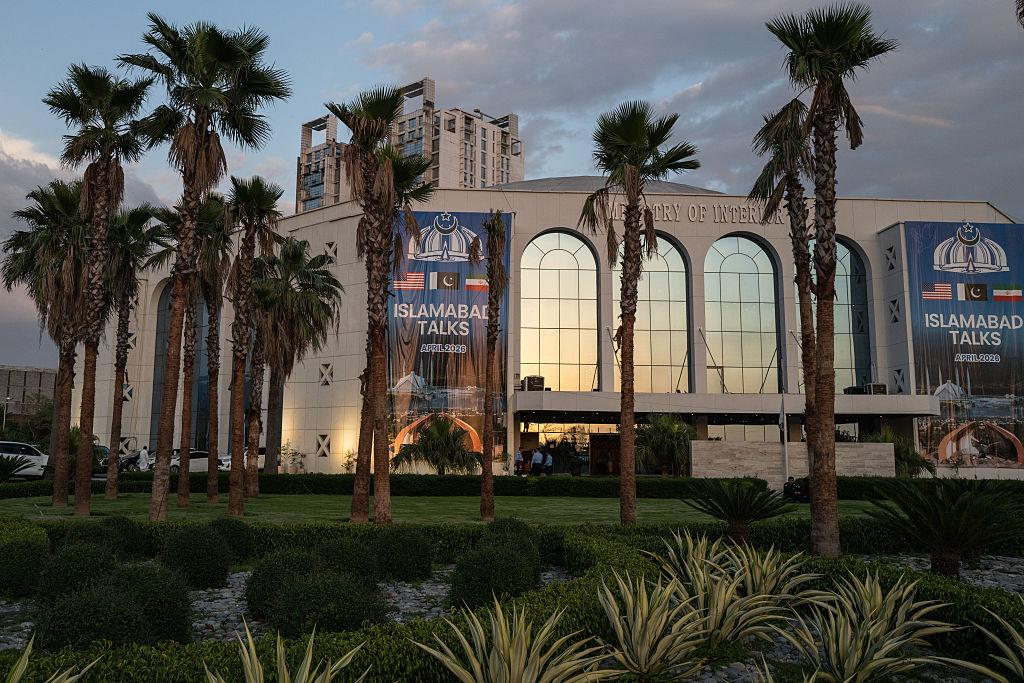
Despite repeated adjustments to the timeline announced by Trump—from “a few days” to “a few weeks” and now “soon”—Islamabad has emerged as a focal point of global diplomacy. Pakistan is preparing logistical arrangements for the next round of negotiations between Tehran and Washington, although the structure and sequencing of the talks remain unclear.
Possible Visit by U.S. Vice President
Reports indicate that Vice President J. D. Vance may travel to Islamabad on Tuesday. However, U.S. media outlets stress that the visit is not yet confirmed and depends on Iran’s final decision to participate. Pakistani authorities are reportedly making preparations to host a high-level diplomatic session.
Rising Tensions in the Strait of Hormuz
While diplomatic efforts continue, military tensions in the region are escalating. U.S. forces have seized a vessel reportedly linked to Iran, prompting Tehran to intensify maritime pressure in response.
Oil prices surged following these developments but partially retreated after news emerged about the potential negotiations in Islamabad. Meanwhile, the White House stated that the naval blockade would remain in place until a broader agreement is achieved.
Trust Deficit and Conflicting Narratives
Political analyst Vali Nasr argued that a process of “gradual de-escalation” has given way to “escalation dynamics.” He noted that claims by some Washington officials suggesting Iran had agreed to dismantle its nuclear program triggered a sharp reaction from Tehran, raising doubts about Iran’s participation in the next round of talks. Iranian officials have described those statements as a “distortion of negotiations.”
Pakistan’s Strategic Role
South Asia expert Michael Kugelman stated that Pakistan’s immediate objective is to extend the ceasefire to create more time for complex negotiations. Pakistan’s ambassador in Washington also emphasized that the country’s role goes beyond geography, positioning Islamabad as a potential bridge connecting China, Central Asia, and the Persian Gulf.
Domestic Pressure on the U.S. Administration
Within the United States, Democrats have welcomed the pause in hostilities while simultaneously questioning the legal legitimacy of Trump’s military actions. Senators such as Elizabeth Warren and Chris Van Hollen have called on the Pentagon to provide a detailed report on civilian casualties resulting from the strikes.
Outlook
The international community is now watching closely to see whether Islamabad can help avert a broader crisis or whether mounting pressure from naval blockades, competing narratives, and mutual distrust will once again stall the path of diplomacy.