US Offers Afghan Allies Stark Choice: Return or Relocate to DR Congo
DID Press: More than 1,000 Afghan nationals who previously worked with US forces and have spent years in limbo at a former American base in Qatar are reportedly facing a controversial proposal from the US Department of State: return to Taliban-ruled Afghanistan or relocate to the Democratic Republic of the Congo, a plan drawing sharp criticism from human rights advocates and U.S. lawmakers.
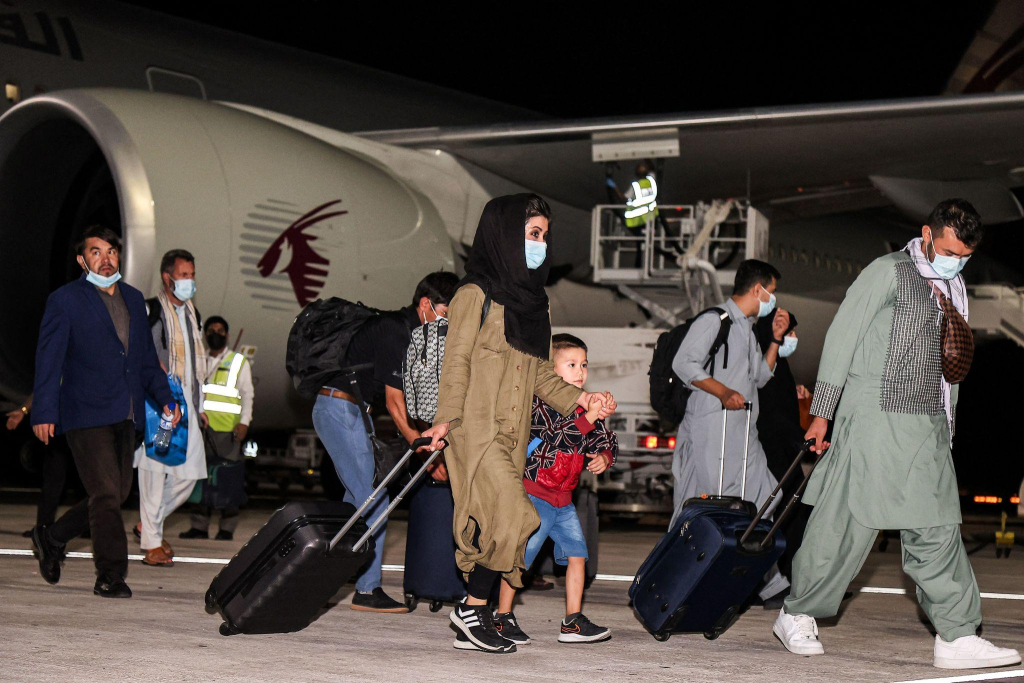
According to Shawn VanDiver, president of the advocacy group AfghanEvac, the proposal applies to Afghans who assisted U.S. forces and have been awaiting resettlement in the United States since the withdrawal of Western troops and the collapse of the previous Afghan government in 2021.
The group—numbering more than 1,100 individuals—has been housed at a former U.S. facility in Qatar, where officials say processing of their cases has been suspended. The U.S. government had previously set a deadline of March 31 for the closure of the center.
VanDiver warned that transferring these individuals to the Democratic Republic of the Congo, given ongoing security crises and armed conflict there, would be “irresponsible” and could effectively force them to return to Afghanistan.
Meanwhile, the U.S. State Department, without confirming a specific destination country, stated that the option of “voluntary resettlement in a third country” is being considered as a pathway for these individuals to begin new lives outside Afghanistan.
On Capitol Hill, Tim Kaine described the potential move as “illogical,” stressing that the United States has a moral obligation to Afghan partners who supported U.S. military operations.
The U.S. refugee resettlement program has been curtailed under new immigration policies introduced by Donald Trump, and processing of Afghan applications was reportedly halted following a security incident in Washington, D.C..
Observers and human rights advocates have characterized the approach as a sign of Washington failing to uphold its commitments to Afghan partners. They argue that forcing individuals to choose between two high-risk options—without ensuring a safe and reliable resettlement pathway—contradicts U.S. claims of adherence to human rights principles and moral responsibility, and could send a troubling signal to local partners cooperating with American missions worldwide.