DID Press: Iran’s decision not to attend the next round of talks in Islamabad reflects a deeper structural distrust toward United States and growing doubts over Pakistan’s role as a mediator, rather than a mere procedural delay or tactical pause.
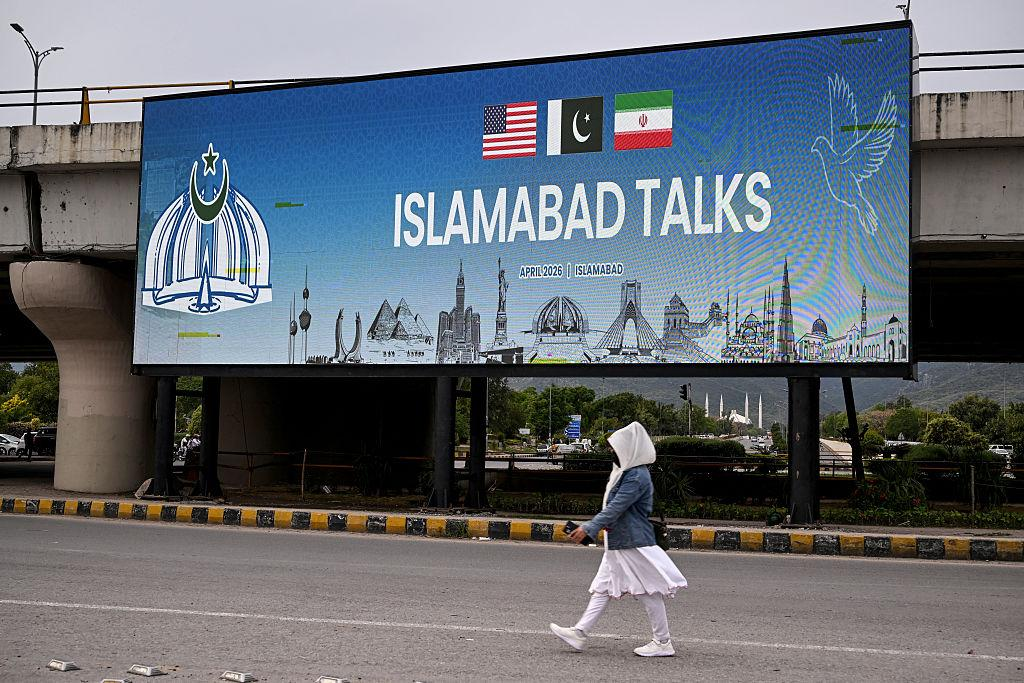
According to the analysis, the move comes in a context where Tehran believes the initial framework of the agreement has been systematically undermined by Washington.
The process began after Pakistan stepped in as mediator and a ceasefire proposal was reportedly put forward by the United States. Iran responded with a 10-point framework outlining conditions for a ceasefire and subsequent negotiations, which was accepted by Washington and presented by Pakistan as a common basis for dialogue. However, subsequent developments have reinforced Iranian perceptions that the United States lacks genuine commitment to the agreed framework.
One of the earliest signs of friction was linked to Lebanon, where the United States allegedly failed to enforce a ceasefire on Israel, creating immediate obstacles in the negotiation process. This, Tehran argues, revealed a pattern of dual-track behavior between battlefield realities and diplomatic commitments.
During the first round of talks in Islamabad, US negotiators reportedly introduced maximalist demands that diverged from the original framework, which Iran interpreted as an attempt to compensate for strategic setbacks through diplomatic pressure. This approach, according to the analysis, pushed the talks toward deadlock.
As tensions escalated, Iran issued warnings regarding potential missile responses against Israel, which was followed by a ceasefire implementation in Lebanon. In parallel, Iranian Foreign Minister Abbas Araghchi stated that Tehran would reopen the Strait of Hormuz for commercial shipping under the initial agreement framework. However, Iran claims that continued US pressure and what it describes as maritime restrictions further eroded trust.
In recent exchanges, Tehran argues that Washington has shown no meaningful shift away from its maximalist positions. As a result, Iranian officials now consider participation in the next round of talks in Islamabad as unproductive and politically symbolic rather than substantive.
The decision was communicated through Pakistan and is intended, according to the analysis, to signal that Iran will not return to negotiations without verifiable guarantees and practical adherence to commitments. Islamabad’s mediation role, meanwhile, is increasingly seen as insufficient to bridge the widening gap between the two sides.
Ultimately, Iran’s absence from the talks is framed not as a diplomatic withdrawal, but as an attempt to redefine negotiation parameters and assert that safeguarding national interests takes precedence over what it describes as managed diplomatic performances.
By Mohsen Mowahed | DID News Agency