UN Warns Afghanistan to Lose 25,000 Women Teachers and Health Workers by 2030
DID Press: UNICEF warned that Afghanistan could lose nearly 25,000 female teachers and healthcare workers by 2030, a development it says would have severe consequences for education, health, and the economy.
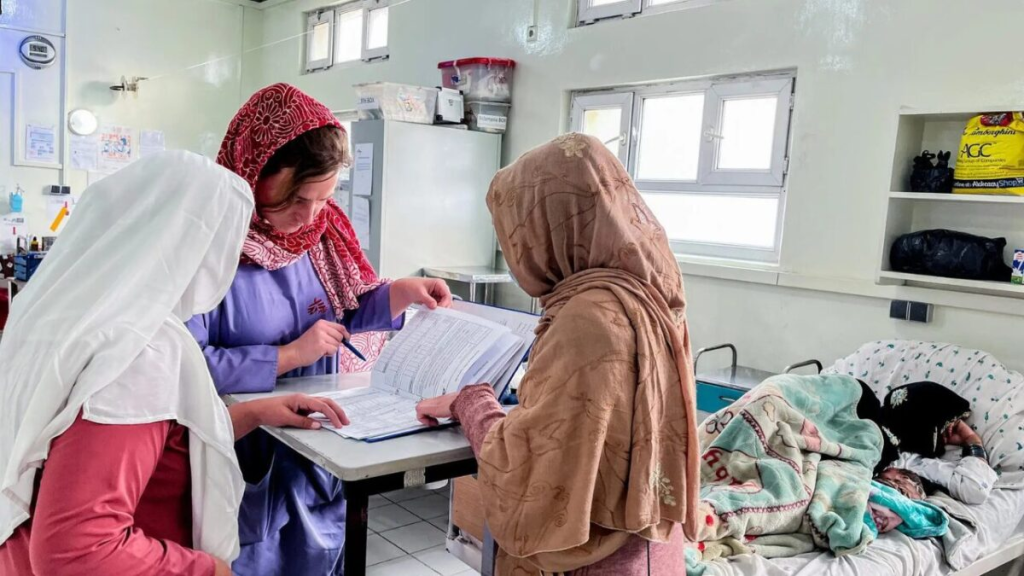
According to a new UNICEF analysis titled “The Cost of Neglecting Girls’ Education and Women’s Participation in Afghanistan’s Labour Market”, ongoing restrictions on girls’ education and women’s employment are creating a dual crisis: a shrinking female workforce and a lack of future professionals to replace them.
The report shows that women’s share in public services has fallen from 21% in 2023 to 17.7% in 2025. More than one million girls have been denied secondary education since restrictions were imposed in September 2021, with projections indicating over two million girls could be out of secondary education by 2030 if current policies continue.
UNICEF Executive Director Catherine Russell stated: “Afghanistan cannot afford to lose future teachers, nurses, doctors, midwives, and social workers. This is the reality we face if girls continue to be excluded from education.”
The analysis estimates that by 2030, around 20,000 female teachers and 5,400 female health workers may leave the system. In education alone, the number of female primary school teachers has already dropped from nearly 73,000 in 2022 to about 66,000 in 2024, a decline of more than 9%.
Experts warn that this decline will disproportionately affect girls’ education, as female teachers play a crucial role in school attendance and retention for girls. In the health sector, the impact is considered even more serious, particularly in rural areas where cultural barriers restrict access to male healthcare providers.
UNICEF also cautions that reduced numbers of female health workers will limit access to essential maternal, newborn, and child healthcare services, increasing health risks nationwide.
Economically, the restrictions are estimated to cost Afghanistan around $84 million annually, with losses expected to rise if the situation persists.
Despite these concerns, UNICEF said it continues to support education programs in the country. In 2025, more than 3.7 million students benefited from emergency education support, while 442,000 children—66% of them girls—were enrolled in community-based learning programs. Additionally, 232 schools have been built or rehabilitated.
UNICEF has urged the authorities to lift restrictions on girls’ education and called on the international community to sustain support for education rights in Afghanistan.