Kabul 1992: When History Turned Its Page
DID Press: (April 1992) marks more than a date in Afghanistan’s political calendar; it is widely seen as a decisive turning point that reshaped the country’s trajectory and influenced regional and global dynamics at the end of the Cold War.
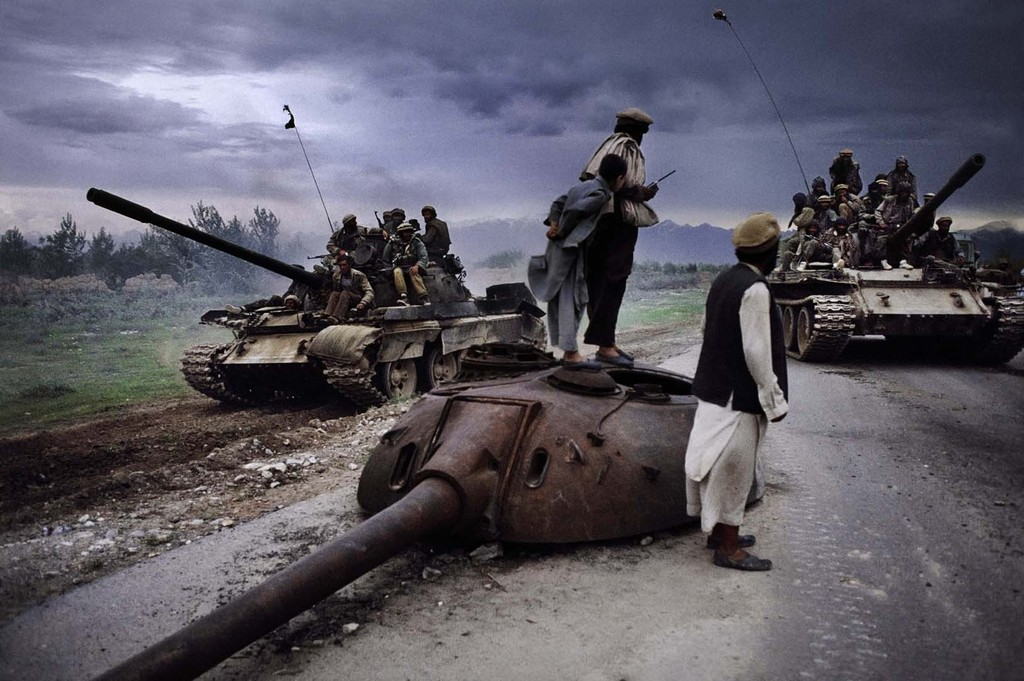
According to the analysis, the fall of the former Soviet-backed government in Kabul represented a moment of national assertion after more than a decade of armed resistance. The event is described as the culmination of prolonged struggle, sacrifice, and a decisive shift in Afghanistan’s political identity.
The article argues that the entry of Mujahideen forces into Kabul effectively ended the perception of Soviet military invincibility in the region and contributed, indirectly, to broader geopolitical shifts, including the acceleration of the Eastern Bloc’s collapse.
However, the piece also highlights that the aftermath of the victory was marked by severe governance challenges. The sudden power vacuum transformed Afghanistan into a stage for regional rivalries and proxy competition, with neighbouring states pursuing competing strategic interests.
It further notes that while the Cold War ended, Afghanistan faced massive structural damage, institutional collapse, and large-scale migration of skilled professionals, severely limiting state capacity during the transition from resistance to governance.
The analysis also criticizes the international community for withdrawing attention after the end of the Cold War, leaving Afghanistan without sufficient support for reconstruction or political stabilization.
In conclusion, the article frames April 1992 as a historic milestone that symbolizes both national victory and the beginning of a complex and turbulent post-war chapter, underscoring that independence alone is insufficient without inclusive governance and sustainable state-building.
By Sayed Baqer Waezi | DID News Agency