Taliban Clergy Law Seen as Move Toward Sectarian Monopoly in Afghanistan
DID Press: Taliban’s newly issued “Preachers Law” has sparked concern among analysts, as it restricts religious preaching activities to followers of Hanafi jurisprudence, signaling what critics describe as an institutional effort to consolidate a sectarian monopoly within Afghanistan’s governance structure. The policy is widely viewed as incompatible with the country’s multi-sectarian reality and raises serious legal, sociological, and theological concerns.
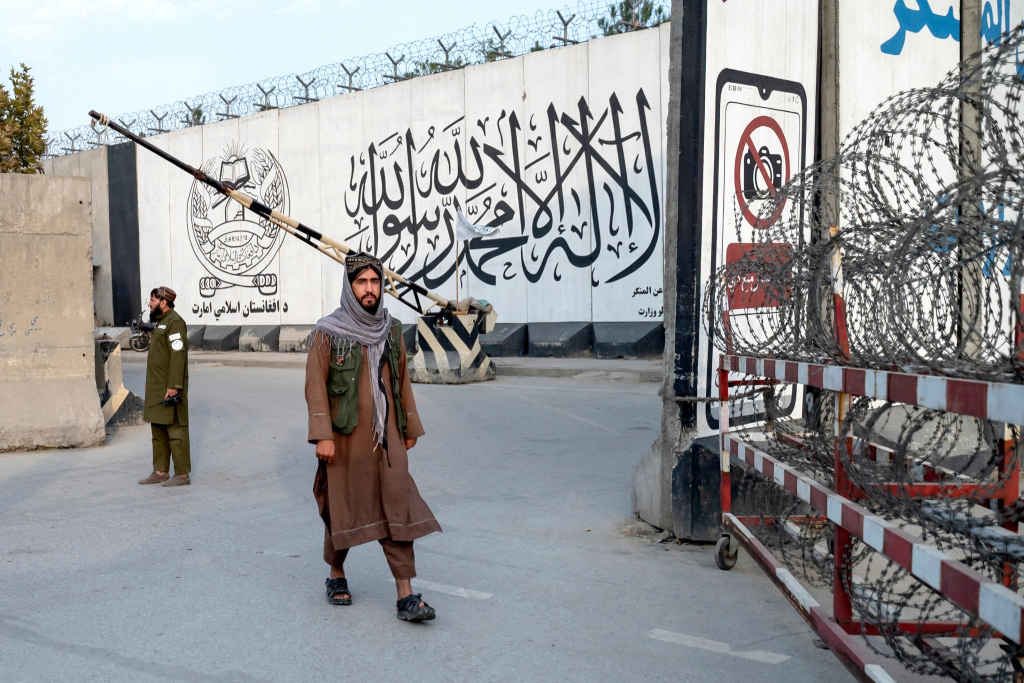
The legislation effectively sidelines other Islamic schools of thought—particularly the Ja’fari school, followed by a significant segment of Afghan society—by redefining religious diversity not as a social reality, but as a structural threat.
Religious Uniformity vs. Constitutional Diversity
Afghanistan’s religious landscape includes Hanafi, Jafari, Ismaili, Sufi traditions, and smaller communities. By legally restricting religious outreach to a single jurisprudential framework, the policy introduces what critics describe as enforced homogenization in the public religious sphere.
From a sociological perspective, state-imposed religious uniformity often produces unintended consequences, including deeper social fragmentation, latent resistance, and erosion of institutional trust rather than cohesion.
Marginalization of the Jafari Community
The Jafari school of thought represents a historically rooted component of Afghanistan’s religious identity. The law’s requirement for Hanafi-based preaching effectively excludes Jafari religious institutions from formal public religious expression.
Observers warn that such exclusion could lead to:
- weakening of Ja’fari religious education structures
- restricted access to faith-based instruction
- increased perceptions of institutional discrimination
- deeper identity-based social divisions
Legally, critics argue the policy conflicts with widely recognized principles of religious freedom.
Ideological Governance and Religious Engineering
Beyond administrative regulation, the law is viewed as part of a broader ideological governance framework aimed at standardizing religious discourse. Restrictions on media imagery, gender-related directives, and doctrinal preaching themes suggest an effort to centralize interpretive authority.
Such systems of ideological control historically struggle to maintain long-term legitimacy in pluralistic societies.
Social and Security Implications
In a country marked by decades of conflict and sectarian tension, analysts warn that religious exclusivity may produce:
- increased marginalization of minority communities
- weakening of national cohesion
- emigration of religious scholars
- potential rise in sectarian grievances
Historical and Theological Contradictions
Afghanistan’s Islamic tradition has historically accommodated multiple schools of jurisprudence. Even within Hanafi thought, principles of tolerance in doctrinal differences are well established. Critics therefore argue that restricting preaching to one school contradicts both historical practice and broader Islamic legal pluralism.
Conclusion
The Preachers Law represents a significant shift toward centralized religious interpretation and reduced doctrinal plurality. Analysts caution that suppressing religious diversity in a historically plural society risks deepening fragmentation rather than achieving cohesion.
By Mohsen Mowahed – DID News Agency