Media Violations Rise as Number of Active Outlets Declines in Afghanistan
DID Press: Taliban’s Ministry of Information and Culture has reported more than 110 recorded media violations over the past year, even as independent assessments indicate a sharp decline in the number of functioning media outlets across Afghanistan amid tightening restrictions.
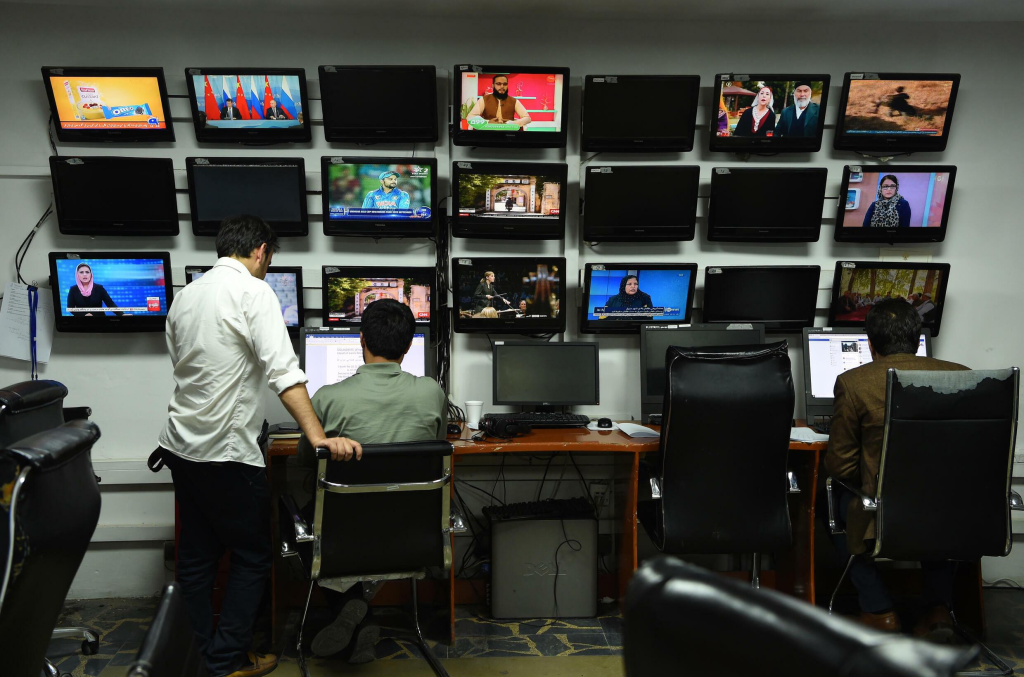
In its annual report released on Wednesday, the ministry stated that its Media Violations Commission held dozens of sessions in 1404 (Afghan calendar year) to address complaints from journalists and review alleged infractions. The announcement comes as media freedom watchdogs continue to warn that restrictive policies and content limitations have significantly narrowed the country’s media landscape.
According to the ministry’s data, new operating licenses were issued last year to 16 radio stations, one news website, five print publications, two news agencies, 90 YouTube channels, and 27 cultural institutions. Meanwhile, operating permits for two television networks, 29 radio stations, four print outlets, and 12 cultural organizations were renewed.
Despite these figures, independent reports indicate that the number of active media organizations has dropped substantially compared with the period before 2021, with many outlets forced to shut down due to security pressures, editorial restrictions, and financial challenges linked to government policies.
The commission recorded 76 violations in broadcast media and 35 cases involving social media platforms, most related to content deemed “non-compliant with broadcasting principles,” a term that monitoring organizations say remains broadly defined and open to discretionary enforcement.
Field reports also suggest that journalists face mounting challenges, including repeated summons, security threats, and strict reporting limitations, particularly in provinces where broadcasting images of living beings has been banned—affecting television operations in roughly 20 provinces.
International media freedom organizations have repeatedly warned that Afghanistan’s media environment has contracted significantly over the past four years, with reduced access to information and sustained pressure on journalists posing serious risks to transparency, accountability, and civil rights.