DID Press: Tehran and Washington, with Pakistan mediation, are on the verge of announcing a “framework agreement” aimed at ending conflicts across multiple fronts. According to these reports, the proposed arrangement includes the reopening of the Strait of Hormuz, the lifting of the naval blockade, the withdrawal of U.S. forces from areas adjacent to Iran, and the release of part of Iran’s frozen assets. Meanwhile, some American political figures have warned about the geopolitical consequences of such an agreement.
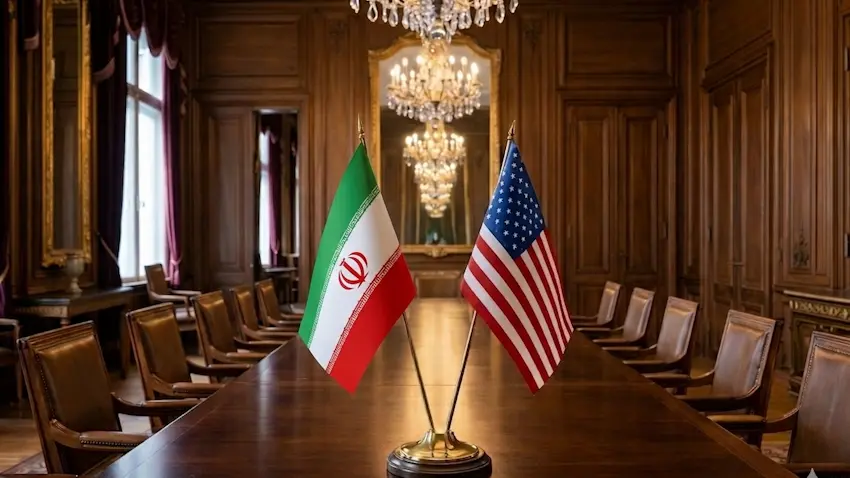
Reports published by The Washington Times, Al Jazeera, Al Mayadeen, and regional diplomatic sources indicate that Iran and the US have reached the final stage of drafting a “framework agreement” intended to end conflicts on all fronts and reduce regional tensions. According to informed sources, the draft framework was finalized on Friday and sent to the leadership of both countries for final approval.
Main Provisions of the Proposed Draft
According to accounts by Al Jazeera correspondents and Al Mayadeen sources, the key provisions of the framework include:
– Ending conflicts on all fronts, including Lebanon
– Reopening the Strait of Hormuz and ending the U.S. naval blockade
– Withdrawal of US forces from Iran’s immediate vicinity
– Release of billions of dollars in frozen Iranian assets (approximately $12 billion, according to Al Mayadeen)
– Facilitating maritime navigation through the Strait of Hormuz
– Establishing a 30-day deadline to reach an agreement on the nuclear file, with the possibility of extension.
Sources cited by Al Mayadeen stressed that the framework is not considered a “final agreement,” but rather a “memorandum of understanding.” They added that the document contains no provisions regarding the nuclear issue and is instead focused on de-escalation and ending hostilities.
The Washington Times also reported that the official announcement of the agreement could come as early as Sunday evening. The report claimed that figures such as Mohammad Bagher Ghalibaf, J.D. Vance, Steve Witkoff, and Jared Kushner played roles in the process of approving the draft framework.
Political Reactions in the US
At the same time, Republican Senator Lindsey Graham warned about the geopolitical implications of such an agreement, claiming that:
– Iran has the capability to create “permanent terror” in the Strait of Hormuz
– Gulf oil infrastructure remains vulnerable to Iran’s military capabilities
– Under such a deal, Iran could emerge as the “dominant regional power”
– Israel will face a “serious long-term challenge” from Iran.
These remarks reflect concerns among parts of the US political establishment regarding a possible shift in the regional balance of power.
Pakistan’s Mediation Role
Sources within Pakistan’s Foreign Ministry told Al-Araby Al-Jadeed that the agreement would be “temporary” and would include reopening the Strait of Hormuz, lifting restrictions on Iranian ports, and unfreezing Iranian assets.
Conclusion
Taken together, the reports suggest Tehran and Washington are approaching a “framework agreement” focused on reducing tensions, ending regional conflicts, and reopening vital maritime routes. In its initial phase, the arrangement reportedly concentrates on security and economic issues, while postponing negotiations over the nuclear file to a 30-day period following the signing of the framework.
However, neither side has officially confirmed the agreement, and until formal statements are issued by the relevant authorities, these reports remain unverified.