Iran-US Talks Near Final Deal Amid Signs of Breakthrough
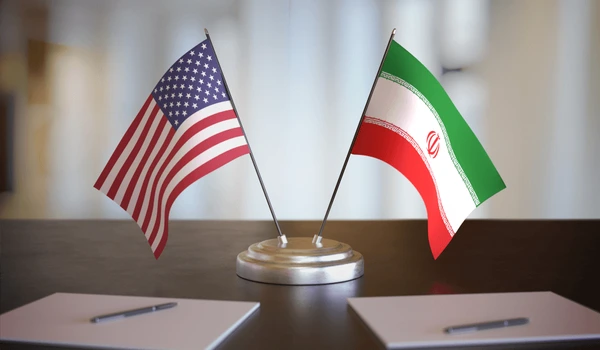
DID Press: Fresh statements from Iran and the United States suggest negotiations aimed at ending months of confrontation have entered a decisive phase, with growing indications that both sides are moving toward a final agreement despite strong opposition from hardline factions in Washington.
Iranian President Masoud Pezeshkian said Tehran is prepared to provide “necessary assurances” that its nuclear program is exclusively peaceful and not intended for weapons development.
At the same time, U.S. President Donald Trump signaled a softer tone, saying he had advised negotiators not to “rush” toward a deal while indicating that concerns over Iran’s nuclear program were moving closer to resolution.
In Washington, political signals also pointed to growing acceptance of diplomacy. Donald Trump Jr. described a potential agreement with Iran as “a major victory,” criticizing voices that had advocated military escalation.
Meanwhile, U.S. Secretary of State Marco Rubio reportedly said an agreement could emerge “within hours,” suggesting backchannel negotiations have reached their final stages.
American media outlets including CNN and Politico reported significant progress in recent talks, with major disagreements narrowing substantially.
According to those reports, the framework under discussion includes security guarantees, de-escalation measures, and a roadmap for the gradual easing of restrictions on Iran.
Hardline Opposition in Washington
Despite reports of progress, several Republican hardliners have sharply criticized the emerging agreement.
Ted Cruz called the potential deal a “catastrophic mistake,” arguing that allowing Iran to continue uranium enrichment would amount to “the biggest error of Trump’s second term.”
Lindsey Graham warned that such an agreement could turn Iran into the “dominant regional power.”
Roger Wicker described the reported 60-day ceasefire framework as a “disaster,” claiming it would undermine recent military gains.
Trump, however, dismissed the criticism, saying the agreement was “not fully finalized” and insisting that critics lacked accurate information. He also stressed that the proposed arrangement was “completely different from the JCPOA” and said negotiations must be completed “correctly and precisely.”
Republican Senator Rand Paul defended the White House approach, stating that “wars almost always end through negotiations.”
Former U.S. officials Mike Pompeo and John Bolton also voiced strong opposition, with Bolton warning that, if accurate, the reports would represent “a major victory” for Iran’s leadership.
Analysts say the latest developments indicate that Tehran’s emphasis on the peaceful nature of its nuclear program, coupled with broader regional considerations, has pushed negotiations closer to a potentially significant diplomatic breakthrough.