Pakistan Opposition Leader: Current Insecurity Rooted in Afghanistan War Policies
DID Press: Following the deadly bombing of the Jaffar Express train in Balochistan, opposition leader Mahmood Khan Achakzai has linked Pakistan’s current security crisis to past Afghanistan war-era policies, urging accountability for the long-term consequences of those decisions.
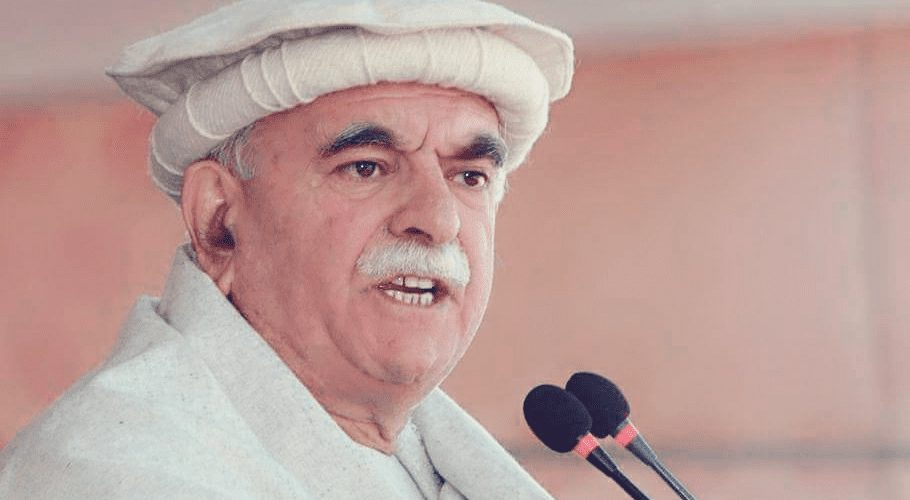
After a deadly attack on the passenger train Jaffar Express in Pakistan’s Balochistan province, which left dozens dead and injured, political debate has intensified over the roots of rising insecurity in the country.
Mahmood Khan Achakzai, a prominent opposition figure, strongly criticized past security and regional policies, arguing that today’s instability is a direct outcome of decisions made during the decades of conflict in Afghanistan.
He stated that during that period, thousands of individuals from various countries entered Pakistan and received military training in camps and facilities, a process he said contributed to the formation and expansion of armed groups across the region.
Achakzai emphasized that many of today’s security threats stem from those earlier geopolitical strategies, which he argued have now turned into a serious internal challenge for Pakistan itself.
He also criticized the absence of independent investigations and accountability regarding the long-term consequences of those policies, saying no comprehensive review has been conducted into the role of past decision-makers.
The opposition leader warned that ignoring the root causes of insecurity would only perpetuate cycles of violence in regions such as Balochistan and Khyber Pakhtunkhwa, which have witnessed repeated deadly attacks in recent years.
The comments came after a powerful bomb detonated early Sunday along the railway track of the Jaffar Express in the Chaman Patak area of Balochistan. The explosion derailed the locomotive and overturned several carriages.
Local authorities confirmed at least 30 deaths and more than 70 injuries. The blast was so powerful that nearby residential buildings were damaged and several vehicles caught fire.
Emergency teams, police, and army units conducted extensive rescue and evacuation operations at the site for several hours.
The Baloch Liberation Army (BLA)-linked “Majeed Brigade” claimed responsibility for the attack.
In response, Prime Minister Shehbaz Sharif condemned the attack as “barbaric and cowardly,” pledging that the government would pursue those responsible.
Foreign Minister Ishaq Dar described the incident as a “terrorist and inhumane act,” while praising emergency responders and security forces.
Balochistan Chief Minister Sarfraz Bugti alleged foreign involvement in supporting militant groups in the province, without providing evidence, and again pointed to India—a claim New Delhi has repeatedly denied.
Railways Minister Hanif Abbasi said railway services would continue despite the attack and that the government would not allow transportation infrastructure to be disrupted.
The incident comes amid a broader rise in militant attacks in Pakistan’s border regions with Afghanistan, further intensifying political debate over the legacy of past Afghan war-era policies and their impact on today’s security landscape.