UNAMA Warns of Worsening Climate Crisis in Afghanistan
DID Press: UN Assistance Mission in Afghanistan has warned that Afghanistan is facing an escalating climate and environmental crisis that threatens livelihoods, food security, and social stability across the country.
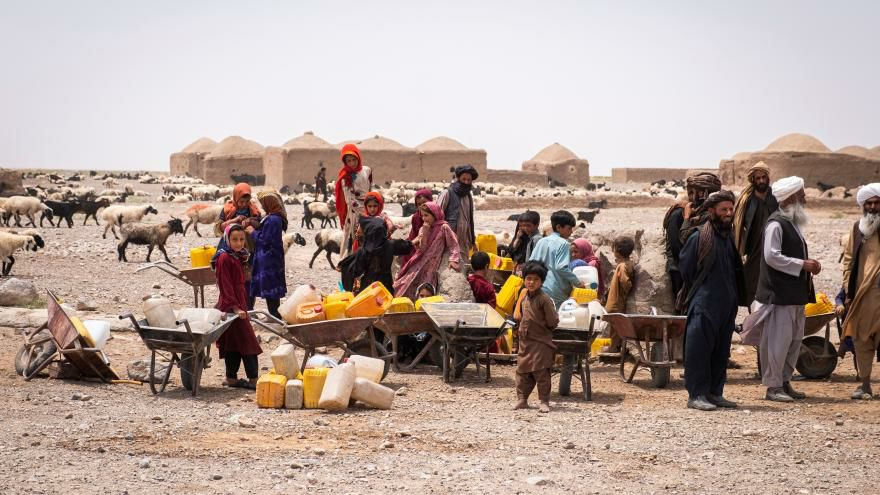
In a report released to coincide with World Environment Day, UNAMA said drought and water scarcity remain Afghanistan’s most pressing environmental challenges, affecting more than half of the population.
According to the report, declining water resources and unstable river flows have caused significant damage to agriculture in eastern provinces, including Nangarhar. In the south—particularly in Kandahar, Helmand, Nimroz, Zabul, and Uruzgan—reduced rainfall, recurring droughts, and excessive groundwater extraction have contributed to drying rivers, the collapse of traditional irrigation systems, and reduced access to drinking water.
UNAMA said western provinces such as Ghor and Farah are experiencing severe drought conditions, while other regions face destructive flash floods. The report also highlighted increasing floods in central and eastern Afghanistan, dust storms in the south, deforestation in Kunar, Nuristan, and Logar, ecosystem degradation in Badakhshan, and unregulated mining activities as major environmental pressures.
Urban environmental challenges are also growing. Air pollution in Kabul, particularly during winter, has become a serious public health concern, while increased tourism in Panjshir, Kapisa, and Maidan Wardak has contributed to rising pollution and waste accumulation in natural areas.
The report noted that efforts are underway to address climate-related challenges, including the Qosh Tepa Canal project, the adoption of modern irrigation methods, the cultivation of drought-resistant crops, and environmental awareness programs supported by national and international organizations.
Experts warn that without urgent and coordinated action, Afghanistan’s climate crisis could further aggravate food insecurity, drive migration, and intensify competition over scarce natural resources.