Herat Crackdown on Women’s Dress Sparks Religious and Legal Backlash
DID Press: Reports from Afghanistan’s western province of Herat indicate that the current authorities’ morality enforcement department has begun detaining and harassing women wearing hijab styles that do not include the chadari or chador-namaz. The development has triggered strong criticism from religious scholars, who argue that such measures contradict Islamic jurisprudence, social norms, and principles of religious ethics.
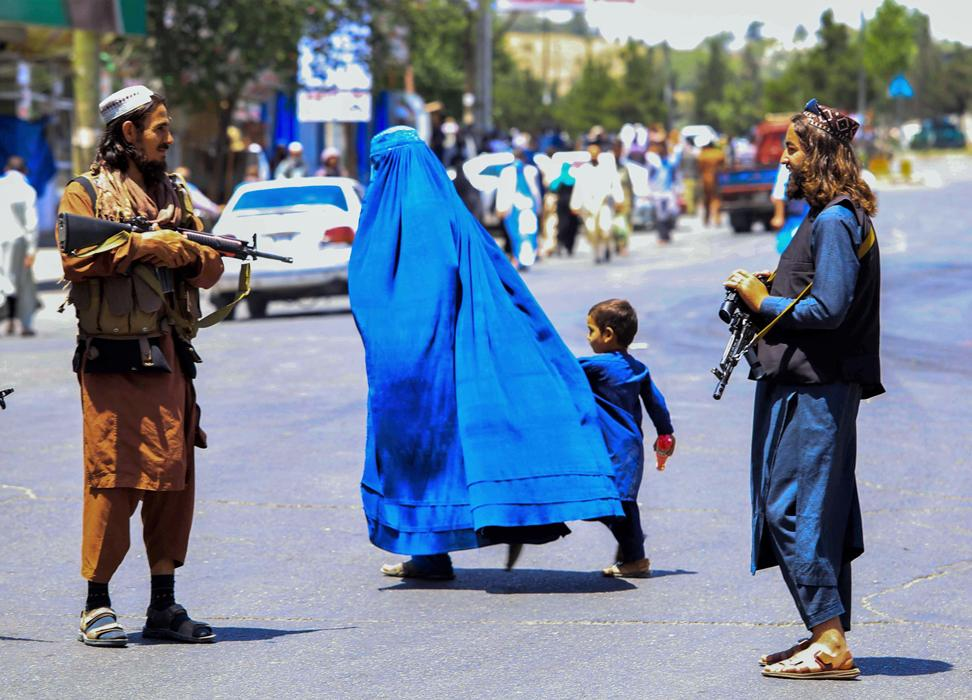
Religious Criticism Over Forced Dress Codes
The author of the statement, Islamic scholar Dr. Fazl-ul-Hadi Wazin, argues that Islamic law—particularly within the Hanafi tradition—does not prescribe a single fixed form of women’s dress such as the chadari as a mandatory religious requirement. Instead, he emphasizes that any attire fulfilling the conditions of modesty is considered valid under Islamic teachings.
He further states that imposing a specific dress style through coercion or detention lacks clear basis in early Islamic practice and represents a conflation of cultural tradition with binding religious obligation.
Sharia, Culture, and Compulsion
The commentary highlights a key distinction in Islamic jurisprudence between religious rulings and cultural practices. It argues that no authority has the right to elevate a regional custom or interpretive preference into an absolute religious obligation enforced through coercion.
Citing Quranic guidance, the statement stresses that invitation (religious calling) must be conducted with wisdom and good counsel rather than force or intimidation.
Prophetic Principles of Moderation and Ease
The critique draws on prophetic traditions emphasizing ease, moderation, and kindness in religious practice, arguing that coercive enforcement risks alienating people from religious values rather than strengthening adherence.
It warns that punitive approaches to dress enforcement may generate public resentment and weaken the perceived moral legitimacy of religious institutions.
Social Impact and Governance Concerns
Beyond religious arguments, the statement raises concerns about the broader social consequences of coercive enforcement. It suggests that such policies may deepen public distrust, harm the image of Islamic values, and create psychological distance between younger generations and religious institutions.
Call for Policy Change
The author calls on the current authorities to immediately halt coercive practices and replace them with education, dialogue, and persuasion-based approaches. He argues that sustainable religious guidance depends on wisdom and justice rather than enforcement through detention and pressure.
By Dr. Fazl-ul-Hadi Wazin | DID News Agency