DID Press: Growing warnings from European and NATO officials have intensified concerns over regional security, with analysts assessing that while a full-scale Russia–NATO war remains unlikely in the near term, the risk of limited military confrontations and hybrid warfare is increasing.
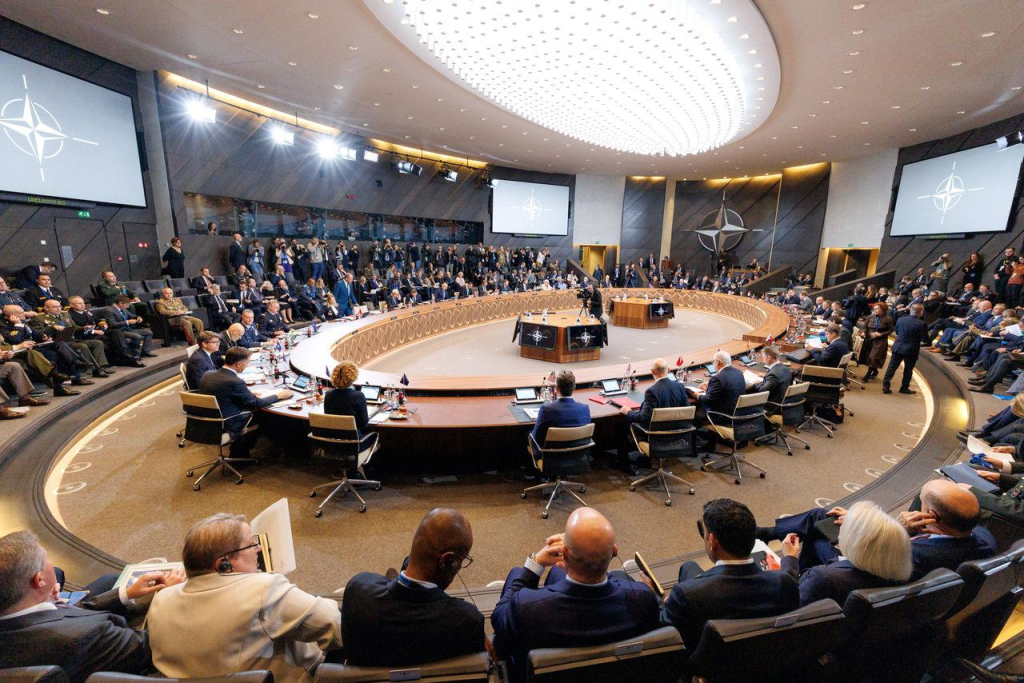
According to a report by the Zaviyeh think tank, senior European leaders and NATO officials have repeatedly warned in 2025 that Europe must prepare for potential Russian aggression. NATO Secretary General Mark Rutte recently stated that Europe should be ready for scenarios involving a Russian attack, while officials in Germany and Poland have stressed the need for enhanced defense preparedness.
The report argues that the Kremlin is pursuing a long-term strategy aimed at reshaping Europe’s security architecture, reducing U.S. influence on the continent, and expanding Russia’s strategic buffer zone.
Despite a sharp increase in military production and troop expansion, analysts note that Russia’s military buildup faces significant limitations, including reliance on older equipment, less experienced personnel, and attrition-based warfare tactics.
Experts cited in the report assess that Russia is unlikely to possess the capability required for a full-scale conflict with NATO before the early 2030s. However, they warn that limited military operations, cyberattacks, sabotage, disinformation campaigns, and other forms of hybrid warfare are far more plausible in the coming years.
Potential flashpoints include border regions in NATO member states, particularly in Eastern Europe and the Baltic region, where security concerns have intensified since the war in Ukraine.
The report concludes that recent European warnings are grounded in legitimate security concerns but should not be interpreted as evidence of an imminent large-scale war. Instead, the most immediate threat is seen as a rise in hybrid operations and localized confrontations, with broader risks increasing over the medium term.