Kabul’s Chendawol Uprising Marked as Historic Anti-Oppression Movement
DID Press: The anniversary of the Chendawol uprising in Kabul has been commemorated as one of the most significant episodes in the country’s modern history, marking what supporters describe as a major act of resistance against political repression in the late 1970s.
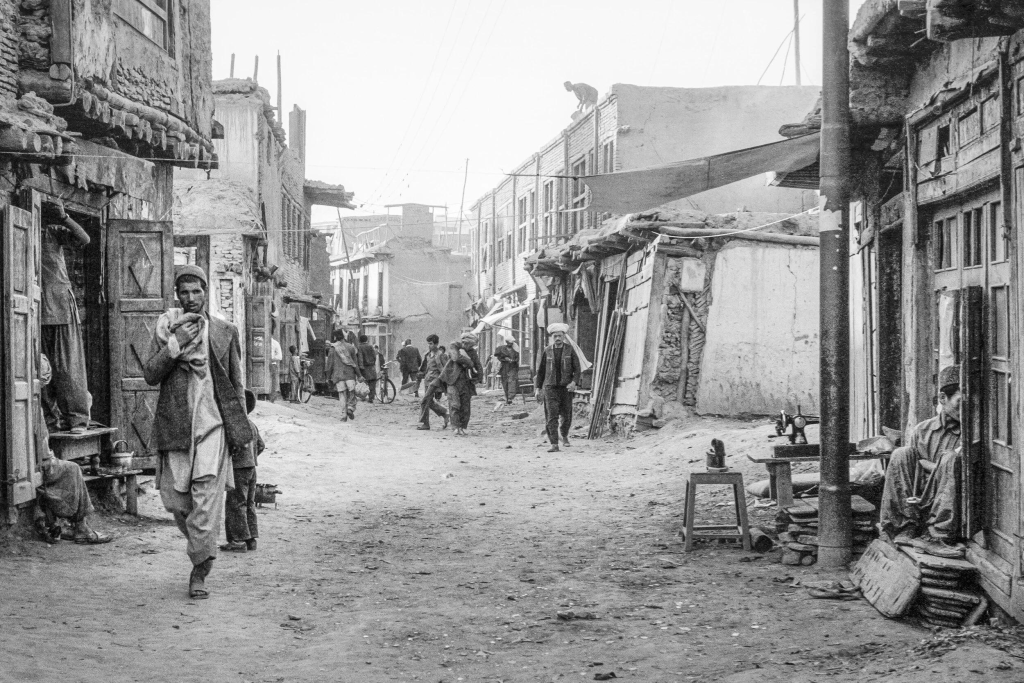
The event, observed on the 2nd of Saratan (July), recalls the 1979 uprising in the Chendawol district of Kabul, where residents reportedly protested against conditions of political crackdown and state violence during a period of heightened instability.
Historical accounts cited by supporters of the commemoration say the uprising represented a collective expression of resistance, involving men and women from different communities who participated in protests, support activities, and humanitarian assistance during the unrest.
Estimates referenced in some narratives suggest that more than 3,000 people were killed, disappeared, or buried during subsequent crackdowns, although exact casualty figures remain disputed among historians.
The commemoration describes the uprising as a symbol of unity, sacrifice, and resistance, emphasizing its significance in shaping political consciousness and collective memory in Afghanistan.
Supporters also highlight the role of women during the events, stating they contributed through logistical support, care for the wounded, and assistance to affected families, reinforcing the broader social dimension of the uprising.
The anniversary is presented not only as a historical remembrance but also as a call for unity, justice, and national cohesion, with emphasis on preserving historical memory and promoting reconciliation across ethnic and social divisions.
By Abdul Raouf Tawana | DID News Agency