Beyond Borders: Afghan Migrants and the Memory of Islamic Revolution Leader
DID Press: Political leaders are usually defined within the geographical boundaries of their states, but some figures extend beyond borders due to their religious, cultural, and social influence. Among them, the late leader of the Islamic Revolution continues to hold a place in the perception of segments of Afghan migrants living in Iran, shaped by their distinct social and political experiences.
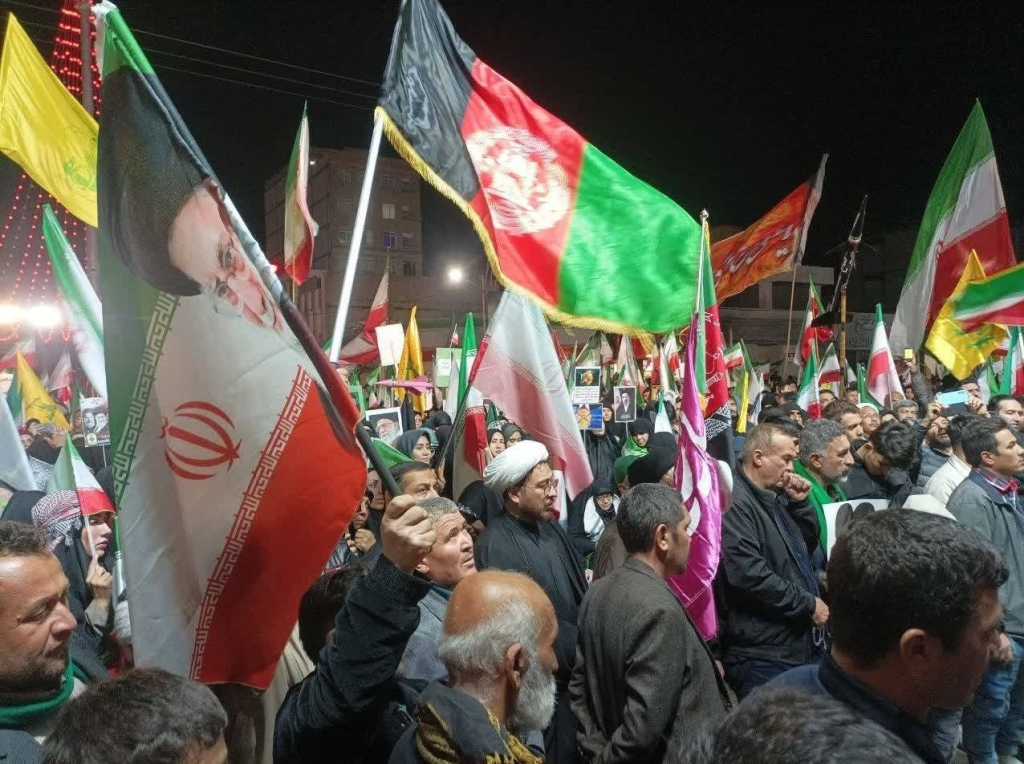
For many Afghan migrants in Iran, he is viewed not only as a political leader of the Islamic Republic but also as a figure associated with shaping certain policies affecting their daily lives.
Over the past four decades, the presence of millions of Afghan migrants in Iran has created a complex lived experience involving work, education, and social interaction. Within this context, access to education for migrant children has often been highlighted as a key turning point in the life trajectories of the younger generation.
In the narrative of some migrants, emphasis on education and human dignity is seen as part of the broader discourse attributed to the late leader, particularly the idea that migrants should be treated beyond a purely security-based lens and with respect for human dignity.
This perspective has contributed, among parts of the migrant community, to interpreting certain educational and social policies as signs of attention to their condition and efforts to reduce social gaps.
The discourse has also emphasized historical, linguistic, religious, and cultural ties between Iran and Afghanistan, framing the relationship as extending beyond formal state-to-state politics. This view has fostered a sense of cultural and social proximity among sections of Afghan migrants.
However, Afghan society is not monolithic. Views toward Iran and its policies vary widely, with some expressing positive interpretations while others raise strong criticisms regarding legal and social structures affecting migrants.
Overall, the lived experience of Afghan migrants in Iran reflects a mixture of challenges and perceived points of connection that have become part of their collective memory.
Ultimately, the issue extends beyond politics into a broader social and human dimension where policy, migration, identity, and lived experience intersect.