Martyr Leader’s Legacy Reshaped Regional Power
DID Press: The rapid transformation of West Asia in recent years has demonstrated that strategic leadership can extend far beyond governing a single country or directing a political movement. According to this analysis, the late “Martyr Leader” played a pivotal role in reshaping regional dynamics through a long-term vision centered on resistance, national independence, popular legitimacy, and opposition to foreign intervention.
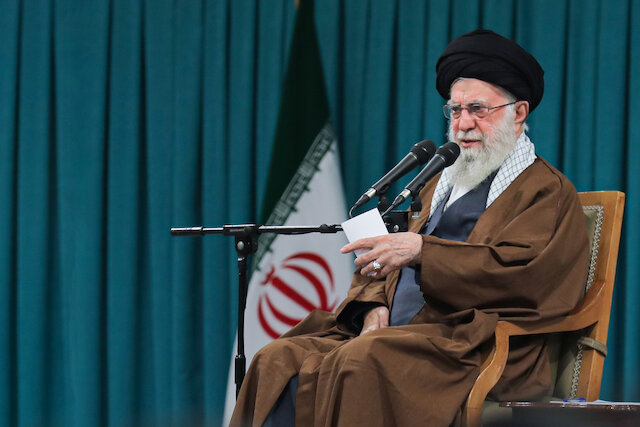
A defining feature of his leadership, the article argues, was transforming resistance from a series of fragmented reactions into a coherent and sustainable regional strategy. By identifying shared security challenges, he helped forge closer coordination among aligned movements, creating what the analysis describes as an integrated network of regional actors capable of responding collectively while maintaining their individual autonomy.
From a geopolitical perspective, the analysis contends that the leader contributed to shifting the regional balance of power during a period when external powers sought to reshape West Asia through proxy conflicts, fragmentation of states, and the establishment of dependent governments. His emphasis on preserving territorial integrity, strengthening indigenous capabilities, and expanding regional cooperation is presented as having challenged those objectives and altered regional security calculations.
The article further argues that his concept of resistance extended beyond military affairs, encompassing cultural, ideological, political, and social dimensions. It maintains that preserving Islamic identity, strengthening national self-confidence, countering information warfare, and promoting justice were regarded as equally important components of a broader strategic vision.
On diplomacy, the analysis says he viewed military deterrence and political engagement as complementary, arguing that negotiations are effective only when backed by credible deterrence. This approach, it suggests, increased the strategic weight of indigenous capabilities and regional actors in diplomatic calculations.
The article also credits the leader with influencing a new generation across the region by transforming concepts such as independence, national dignity, and resistance from political slogans into broader social convictions. According to the analysis, many young people in West Asia increasingly assess regional developments through the lens of national interests rather than external powers.
While acknowledging that his death created a significant void, the article argues that enduring strategic ideas continue beyond the lives of their architects. It concludes that his political and intellectual legacy should be viewed not merely as part of a historical period but as an enduring element in the emergence of a new regional order.
The analysis concludes that West Asia is entering a new phase of geopolitical realignment in which regional actors are assuming a greater role while the scope for external intervention continues to narrow, making the study of his strategic legacy relevant to understanding the region’s future trajectory.
#We_Must_Rise
By Rahel Mousavi | DID News Agency