DID Press: The funeral ceremonies for the Martyred Leader of Islamic Revolution, Ayatollah Seyyed Ali Khameneie, held after Tehran and Qom and extending to Najaf and Karbala in Iraq, have become one of the region’s most significant political and social events, drawing attention from international media and analysts examining Iran’s domestic cohesion and regional influence.
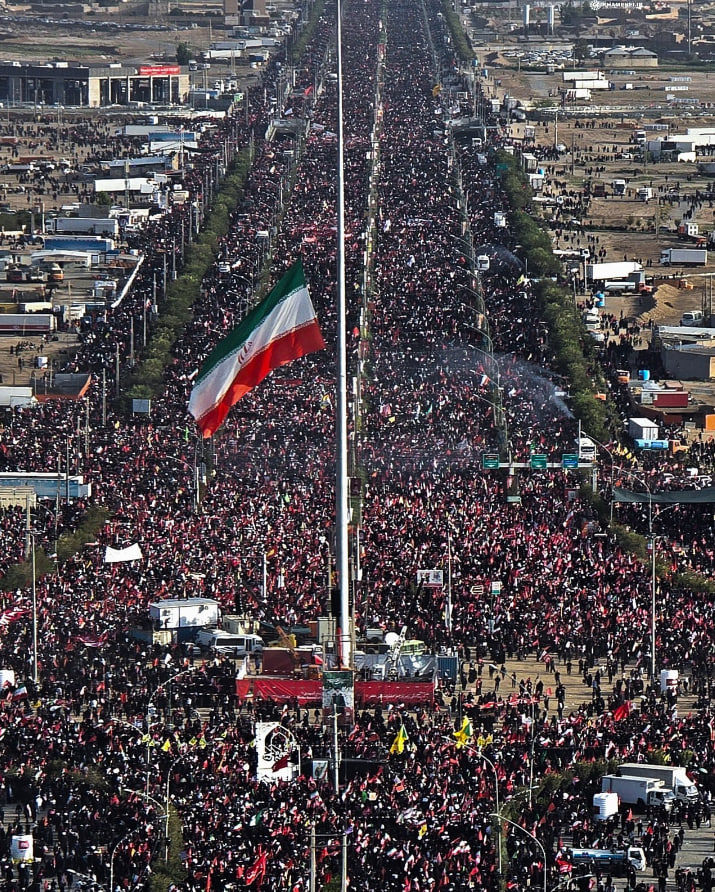
According to reports, the farewell ceremonies for the Martyred Leader of Islamic Revolution moved from Iran to Iraq, where Najaf and Karbala hosted large gatherings of citizens as well as domestic and foreign delegations. The event has received broad coverage from regional and international media, with observers analyzing its political, social, and geopolitical dimensions.
Western media coverage has largely focused on public participation and the political messages surrounding the ceremonies. Some reports described the large crowds as an indication of continued social cohesion and institutional capacity in Iran, while highlighting the government’s role in organizing a large-scale, multi-stage event.
Beyond domestic aspects, analysts have focused on the regional significance of the ceremonies. The transfer of the funeral procession across the Iran-Iraq border and the events held in Iraq’s holy cities have once again highlighted the historical, religious, and political ties between Tehran and Baghdad.
Regional media outlets also examined the participation of foreign delegations and various political groups, viewing it as a reflection of Iran’s position in West Asian affairs and its continued diplomatic engagement with regional and international actors.
Meanwhile, some Eastern media analyses emphasized the presence of representatives from different countries as a sign of expanding multilateral interactions in the region and challenges to unilateral pressure policies.
Analysts also highlighted the symbolic dimension of the ceremonies, describing the use of religious and revolutionary themes as part of the broader political messaging surrounding the event, emphasizing continuity in Iran’s strategic direction following a leadership transition.
The ceremonies are scheduled to continue after events in Najaf and Karbala, with the final stage expected to be held in Mashhad near the shrine of Imam Reza.
Observers say the large-scale ceremonies have moved beyond a mourning event, becoming a major display of Iran’s social, identity-based, and regional capacities.
#We_Must_Rise