Lindsey Graham’s Death: A Major Loss for US Neoconservative Camp
DID Press: International Desk — An analysis of the political legacy of Lindsey Graham, the Republican senator from South Carolina, describes his reported death as a significant development for the American neoconservative movement, highlighting his decades-long influence on US foreign policy debates, military interventions, and Middle East policy.
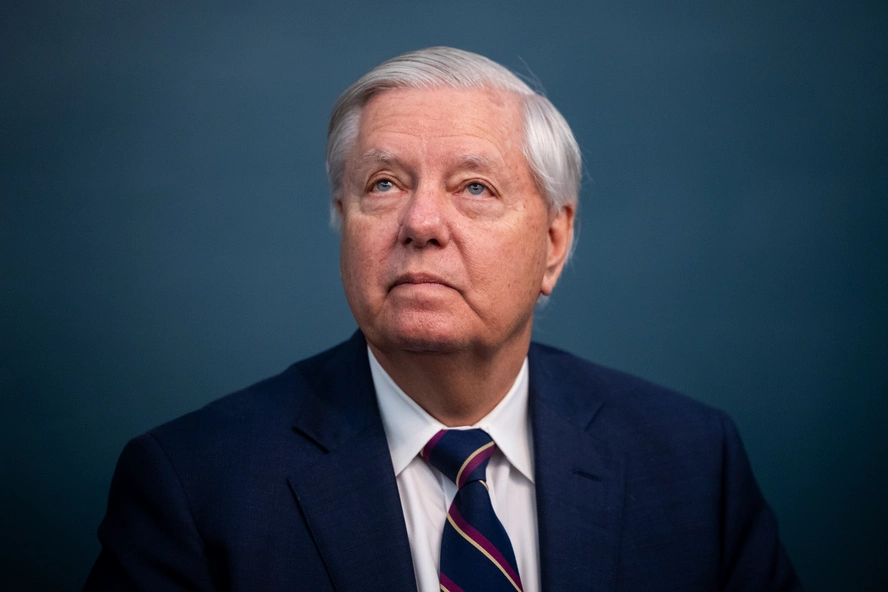
Graham, who represented South Carolina in the U.S. Senate since 2003, was known as one of the most prominent conservative voices in Washington. Throughout his political career, he strongly supported US military policies abroad, maintained close ties with pro-Israel groups, and adopted a hardline position toward Iran and its regional policies.
Before entering politics, Graham served for more than three decades in the U.S. military, including during the Afghanistan and Iraq wars, before retiring in 2015 after 33 years of service.
He was considered a strong supporter of American military involvement overseas and backed expanded US military operations in countries including Iraq and Syria during periods of regional conflict.
Religious Base and Pro-Israel Position
The analysis highlights Graham’s connection with conservative religious communities in South Carolina, where evangelical groups hold significant influence. It states that his political worldview was shaped by strong religious beliefs and unwavering support for Israel, making him a key ally of pro-Israel advocacy networks in Washington.
Anti-Iran Position and Foreign Policy Influence
Graham was regarded as one of the most outspoken Republican critics of Iran in the Senate. His supporters viewed him as a strong advocate for US national security interests, while his critics accused him of promoting interventionist policies and a confrontational approach toward Middle East issues.
Possible Political Impact
The analysis argues that Graham’s departure could affect Republican foreign policy circles, particularly by:
- Reducing the influence of the religious-conservative and neoconservative alliance in the Senate.
- Weakening the connection between evangelical political groups and interventionist foreign policy advocates.
- Creating uncertainty over the future influence of hawkish voices within the Republican Party.
Conclusion
Lindsey Graham’s political career represented a major chapter in the intersection of conservative ideology, US foreign policy, and Middle East strategy. His legacy remains a subject of debate, with supporters emphasizing his national security positions and critics questioning his approach to international conflicts.