Afghan Women at a Crossroads: Challenges, Resilience and the Future
DID Press: Afghan women remain at the center of one of the country’s most consequential social and political debates. Over the past decades, they have experienced dramatic shifts—from serving in senior government positions, parliament and civil society to facing sweeping restrictions on education, employment and public life following the Taliban’s return to power in 2021. Despite these challenges, many continue to adapt through community initiatives, entrepreneurship and informal education, underscoring their enduring role in Afghanistan’s future.
Women’s Role in Afghan Society and Politics
Women’s participation in Afghanistan has long reflected the country’s struggle between traditional social structures and modernization. Before the political transition of 2021, women held seats in parliament, served in ministries, diplomatic missions and judicial institutions, and expanded their presence in professions including medicine, engineering, journalism and business.
However, these gains were concentrated largely in major urban centers such as Kabul, Herat and Mazar-i-Sharif, while women in many rural areas continued to face entrenched social and structural barriers.
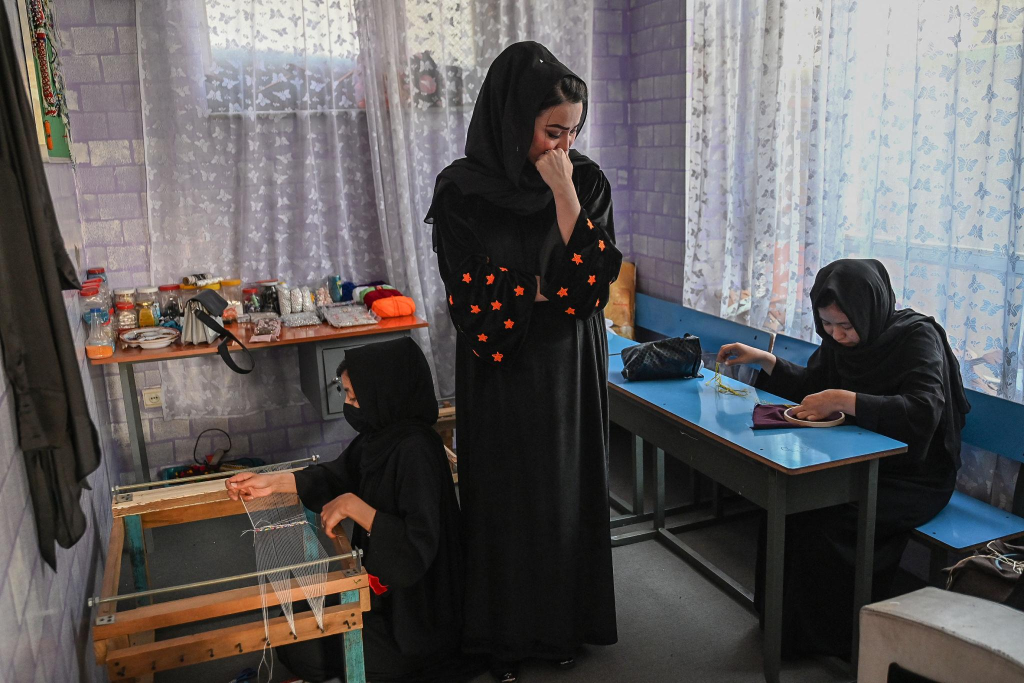
Since the Taliban returned to power, women have largely been excluded from formal political institutions. Nevertheless, many have continued their engagement through community-based initiatives, informal education networks and home-based businesses, reflecting continued resilience despite significant restrictions.
Resilience Amid Structural Barriers
Analysts note that persistent social restrictions have also encouraged new forms of adaptation and self-reliance among Afghan women.
Key developments include:
- The expansion of informal women’s support networks and community organizations.
- Growth in home-based entrepreneurship, including handicrafts, carpet weaving, tailoring, saffron production and online businesses.
- Increased demand for education through online learning, international scholarships and informal classes despite restrictions.
These developments have strengthened social solidarity and created alternative economic opportunities for many Afghan families during a prolonged economic crisis.
Women Under Taliban Rule
Since August 2021, Taliban policies affecting women have fundamentally reshaped Afghanistan’s social landscape.
The principal restrictions include:
- Suspension of secondary and higher education for girls and women.
- Broad restrictions on women’s employment in government institutions and many international non-governmental organizations, with limited exceptions in sectors such as healthcare.
- Regulations governing dress codes and travel, including requirements affecting long-distance travel.
International organizations and many governments have repeatedly criticized these policies, describing them as a major obstacle to broader international engagement with the Taliban administration.
Culture, Literature and Digital Media
Despite restrictions, Afghan women continue to maintain a significant presence in literature, journalism and digital media.
Many journalists forced to leave traditional newsrooms now operate independent online publications, podcasts, YouTube channels and media platforms from exile. Contemporary Afghan literature has increasingly reflected women’s perspectives on conflict, identity and social change, allowing Afghan voices to reach international audiences despite domestic constraints.
Healthcare Concerns
Healthcare experts warn that restrictions on women’s education could have long-term consequences for Afghanistan’s medical system.
With fewer women entering medical schools and nursing programs, the country faces the prospect of a significant shortage of female doctors, nurses and midwives in coming years. Given the importance of female healthcare professionals in many parts of Afghanistan, specialists warn this could negatively affect maternal and child health if the shortage continues.
Future Outlook
Observers argue that Afghan women will remain central to the country’s long-term development regardless of changing political circumstances. While many avenues for public participation have narrowed, women continue to pursue education, economic activity and civic engagement through alternative channels.
The future of Afghanistan, analysts say, will depend in part on how its governing authorities engage with women’s participation in society and whether greater opportunities for education, employment and public life emerge over time.
International Desk | DID News Agency