DID Press: Growing security cooperation between Pakistan and the Arab Gulf states has intensified debate over whether Islamabad could become part of a broader strategy to increase pressure on Iran from its eastern frontier as regional tensions continue to escalate.
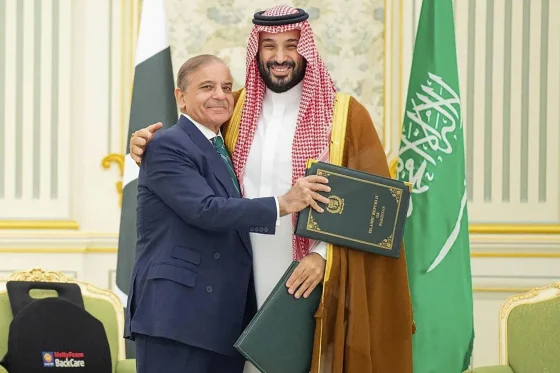
The evolving regional landscape suggests that the confrontation involving Iran, the United States, and Israel has expanded beyond the traditional Middle East theater. With expectations of rapid political change in Iran failing to materialize, analysts argue that Washington may be shifting toward a longer-term strategy focused on strategic containment, strengthened regional partnerships, and sustained pressure rather than direct escalation.
At the center of this discussion is Pakistan, the only Muslim-majority country possessing nuclear weapons and a longstanding security partner of several Gulf monarchies. Existing defense agreements with Saudi Arabia, alongside reports of broader security cooperation with other Gulf states, have reinforced Islamabad’s strategic relevance amid concerns over the security of critical energy routes, including the Red Sea and Bab el-Mandeb Strait.
The key question, however, is whether Pakistan’s expanding security role could translate into indirect involvement in efforts to increase pressure on Iran’s eastern border.
According to the analysis, any such role would more likely involve intelligence cooperation, logistical support for Gulf partners, and enhanced maritime security rather than direct military confrontation. The article argues that Pakistan faces competing strategic priorities: maintaining close economic and security ties with Gulf states while preserving stability along its long and sensitive border with Iran.
The analysis also suggests that a wider regional conflict could revive Afghanistan’s geopolitical importance, potentially creating new areas of cooperation between Washington and Islamabad on Afghan-related security issues.
Ultimately, the article concludes that while expanding Arab-Pakistani security partnerships may strengthen regional deterrence from the perspective of their supporters, they also risk widening geopolitical fault lines and extending Gulf security tensions into South Asia, with potentially significant consequences for regional stability.
By Sayed Baqer Waezi | DID News Agency