DID Press: Pakistan is seeking to leverage its ties with Iran, the United States, and China to facilitate a ceasefire and open negotiations between Washington and Tehran, but the effort carries significant political, security, and economic risks, according to a new report by the International Crisis Group.
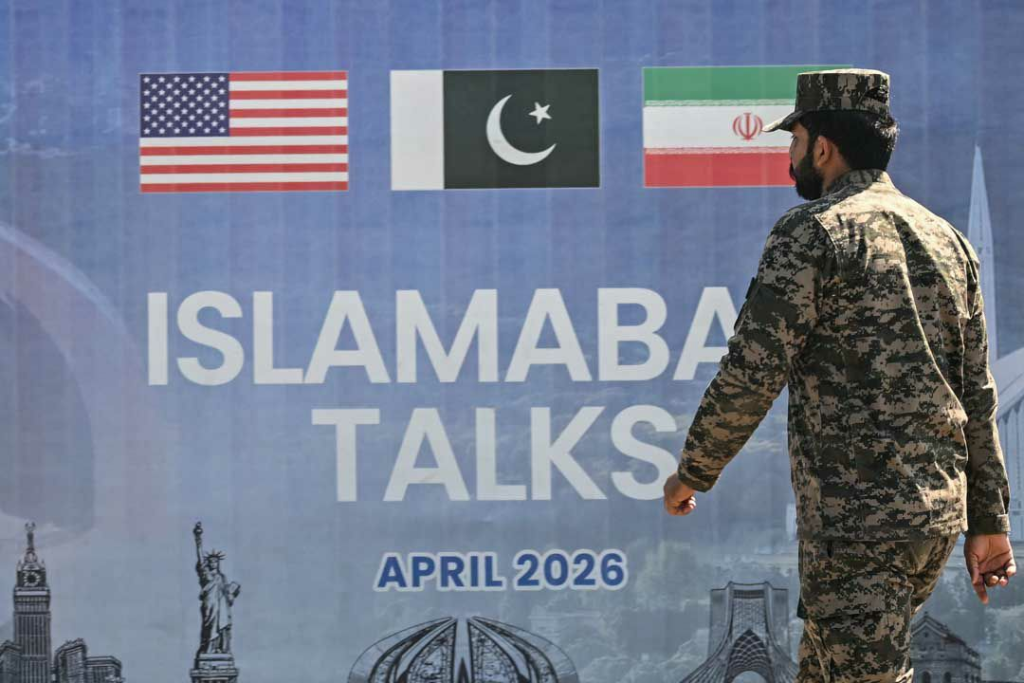
The report says Islamabad views a prolonged conflict in the Middle East as a direct threat to Pakistan’s security, economy, and diplomatic interests, prompting it to assume a mediating role despite mounting regional pressures.
Domestic Challenges
The report notes that the Iran-U.S. conflict has also had domestic repercussions for Pakistan, which is home to one of the world’s largest Shiite populations.
Following U.S. and Israeli strikes on Iran, anti-American demonstrations erupted in several Pakistani cities, including Karachi, Islamabad, and the Shiite-majority region of Gilgit-Baltistan.
In Karachi, protesters reportedly attempted to approach the U.S. Consulate, leading to clashes with security forces that left dozens dead and more than 100 injured.
According to the Crisis Group, Islamabad has sought to preserve its credibility as a mediator by maintaining a neutral position throughout the crisis.
Security Concerns Along the Iranian Border
The report also highlights Pakistan’s concern over increased activity by Baloch militant groups operating along the Iran-Pakistan border.
Relations between Tehran and Islamabad have periodically been strained by mutual accusations of harboring insurgents, and the Crisis Group warns that a prolonged regional conflict could encourage greater coordination among armed groups on both sides of the border.
It further argues that rising tensions between Pakistan and Afghanistan could further complicate the security environment in Pakistan’s Balochistan province, exposing the country to simultaneous internal and cross-border threats.
Economic Pressures
The Crisis Group says the conflict has imposed considerable economic costs on Pakistan.
Disruptions affecting the Strait of Hormuz and energy infrastructure in the Gulf have driven up global energy prices and strained supply chains. Pakistan imports more than 85 percent of its oil and gas from the Middle East, leaving its fragile economy highly vulnerable to higher fuel costs.
The report notes that government efforts to curb energy consumption have been accompanied by public protests over rising fuel prices, while shortages of liquefied petroleum gas have contributed to power outages and difficulties for households.
Balancing Relations
According to the report, Pakistan is attempting to maintain a delicate balance between its relationships with Iran, the United States, and Saudi Arabia.
While opposing military strikes against Iran, Islamabad has also condemned Iranian attacks on Gulf states, reflecting its effort to preserve strategic ties with all sides.
Saudi Arabia remains one of Pakistan’s most important economic and security partners, while Islamabad has also sought to improve relations with Washington without undermining its longstanding ties with Tehran.
Ceasefire Proposal
The report says Pakistan proposed a two-stage framework in April aimed at ending the conflict, including:
- An immediate ceasefire;
- The reopening of the Strait of Hormuz;
- Negotiations on Iran’s nuclear program and sanctions relief.
According to the report, Pakistani officials conveyed the proposal to both Tehran and Washington and continued diplomatic engagement afterward.
Prime Minister Shehbaz Sharif visited Saudi Arabia, Qatar, and Turkey, while Army Chief Gen. Asim Munir held contacts with U.S. and Iranian officials. Foreign Minister Ishaq Dar also consulted counterparts in Egypt, Saudi Arabia, Turkey, and China to sustain diplomatic efforts.
Risks of Mediation
The Crisis Group cautions that Pakistan’s mediating role, while enhancing its international profile, also exposes it to significant risks.
Maintaining neutrality could create friction with some Gulf states, particularly the United Arab Emirates, while Pakistan’s defense cooperation with Saudi Arabia could draw Islamabad into a wider regional conflict if hostilities escalate.
Should fighting resume, Pakistan may face increasingly difficult choices between preserving relations with Iran and honoring its strategic commitments to Saudi Arabia and the United States.
Conclusion
The report concludes that, despite economic constraints and domestic challenges, Pakistan considers continued diplomacy less costly than a prolonged regional war.
It argues that Islamabad will likely continue working to preserve the ceasefire and keep diplomatic channels open, although the ultimate success of those efforts will depend largely on decisions made in Washington and Tehran.