UNAMA Reports Continued Media Crackdown, Journalist Detentions in Afghanistan
DID Press: UN Assistance Mission in Afghanistan (UNAMA) has reported continued restrictions on media freedom in Afghanistan, including journalist arrests, suspension of media outlets, and growing pressure on media workers by the Taliban authorities.
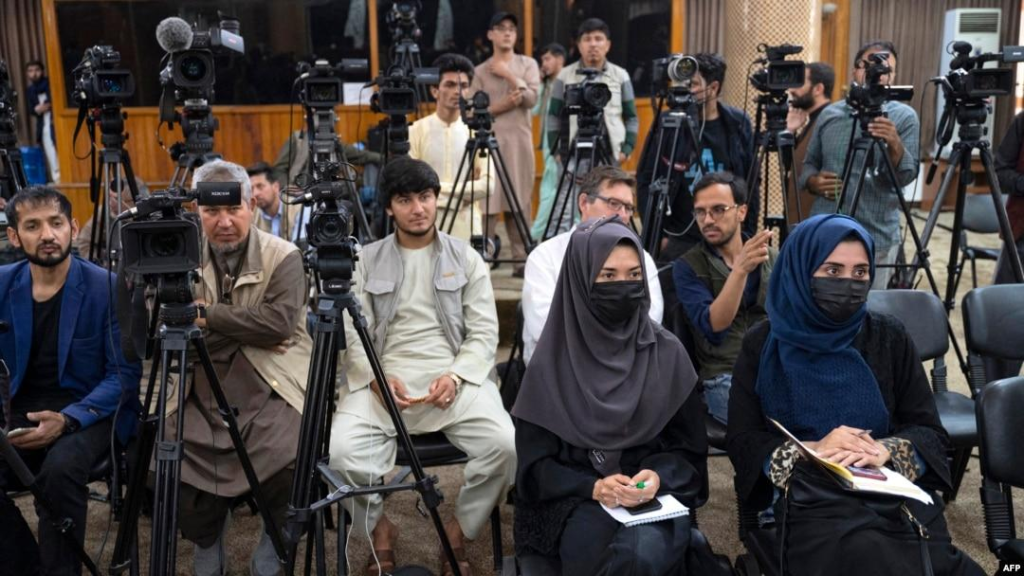
In its latest quarterly report released on Tuesday, 6 Asad, UNAMA documented several cases involving the suspension of media activities, restrictions on broadcasts, detention of journalists, and pressure on media organizations across Afghanistan.
According to the report, on 10 April, Taliban authorities ordered the suspension of educational programs by Radio Long in Khost Province, citing what they described as a failure to comply with the official educational curriculum.
UNAMA also reported that the Taliban’s intelligence department ordered the suspension of Radio Bamyan on 7 May, citing the lack of a valid broadcasting license. The station resumed operations six days later.
The report further noted that Rah-e-Farda TV resumed broadcasting activities on 11 June following changes to its leadership structure.
UNAMA said at least seven radio stations in Kunduz and Ghazni provinces were unable to continue operations due to financial difficulties and failure to meet other licensing requirements.
The UN mission also documented attempts by Taliban officials to seize mobile phones, cameras, computers, and documents from a media office in Kabul. It said three journalists were detained in separate incidents.
According to the report, two of the journalists were released after several days, while the third was freed following questioning.
UNAMA also highlighted restrictions imposed on the use of smartphones by government employees, saying some local authorities confiscated and destroyed personal phones and halted their official communication activities on social media platforms, including Facebook.
The UN mission warned that these measures, alongside broader restrictions on journalists and media organizations, have created serious challenges for independent media operations in Afghanistan.