Kabul’s Rapid Population Growth Puts Urban Infrastructure Under Strain
DID Press: Afghanistan’s capital, Kabul, has grown into a city of nearly six million people, but its urban infrastructure has failed to keep pace with the rapid population increase.
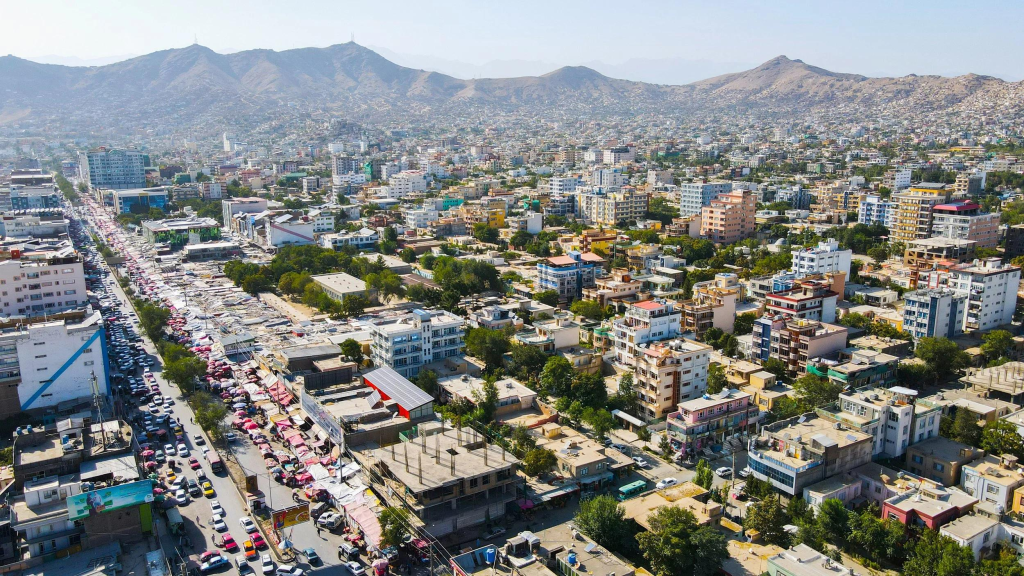
Over the past two decades, Kabul has experienced rapid population growth and the expansion of informal settlements, many of which have developed without adequate access to basic urban services.
The city’s growth has been driven by a combination of population displacement, the return of migrants and natural urban population growth, placing additional pressure on housing, water supplies, sanitation, transportation and other public services.
According to United Nations data, around 80 percent of Afghanistan’s urban population lives in informal settlements, many of which face shortages of clean water, electricity, sanitation and other essential infrastructure.
The crisis extends beyond housing and basic urban services. Kabul’s growing population has also placed significant pressure on the capital’s healthcare system, with limited hospital capacity highlighting the widening gap between the needs of the population and the city’s existing infrastructure.