Europe’s Hardening Migration Policies Leave Afghan Refugees in Limbo
DID Press: As anti-immigration sentiment grows and right-wing parties gain influence across Europe, thousands of Afghan asylum seekers who were evacuated to European countries after the fall of Kabul face an uncertain future and the possibility of deportation to Afghanistan.
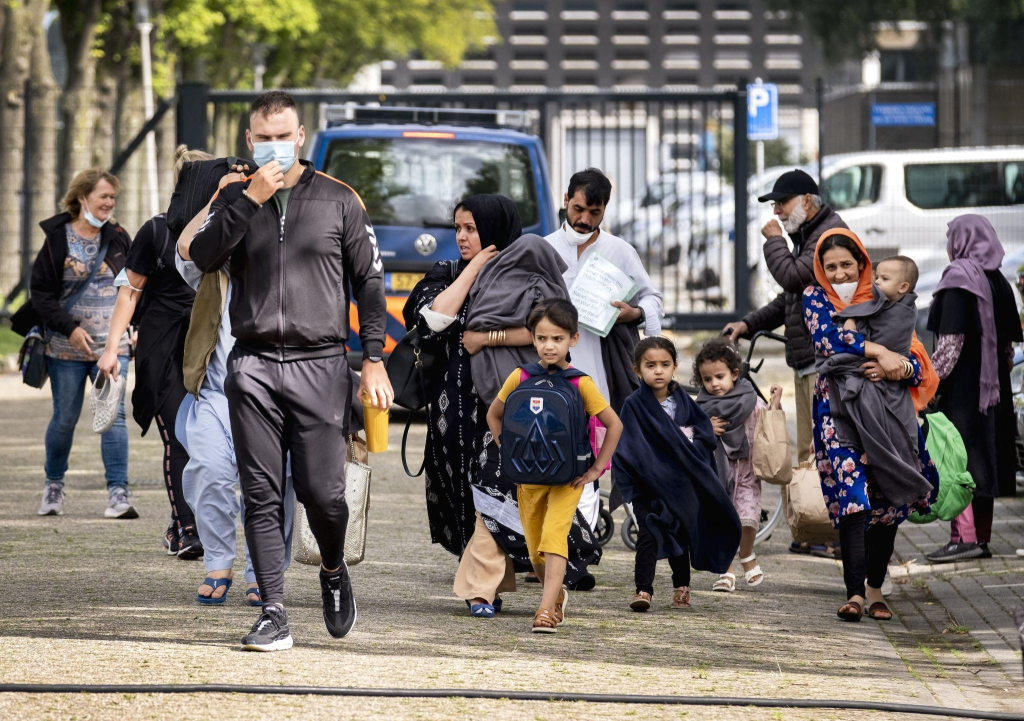
Abdul Wali, an Afghan national who was evacuated from Afghanistan in 2021 with the assistance of Dutch political and military officials, now lives with his wife and four children in the small Dutch town of Steenwijk. He had been threatened by the Taliban because of his work with a Dutch non-governmental organization and his assistance to an interpreter linked to Dutch military forces.
After arriving in the Netherlands, he learned the Dutch language, found work at a local factory and enrolled his children in local schools. However, recent changes to residency rules have cast uncertainty over his family’s future.
According to figures from the European Union Agency for Asylum, around 500,000 Afghan nationals have applied for asylum in EU member states since the Taliban returned to power in 2021.
Although the European Union does not recognize the Taliban as Afghanistan’s government, 15 European ambassadors met with a Taliban delegation in Brussels in June this year. Reports indicate that the return of asylum seekers to Afghanistan was among the main issues discussed at the meeting.
Germany also ended its de facto ban on deporting Afghans to Kabul in 2024. Over the past two years, around 200 people, mostly individuals with criminal records, have been deported from Germany to Afghanistan. In late July, Germany deported an Afghan national without a criminal record for the first time.
A Swiss document obtained by the Dutch newspaper NRC shows that the Netherlands, Germany, Denmark and Norway are considering or planning to deport larger numbers of Afghan asylum seekers. Greece has also expressed an interest in returning Afghan nationals.
According to Al Jazeera, Cees Roels, a former deputy Dutch ambassador to Afghanistan, has expressed concern about European countries moving closer to the Taliban, warning that such an approach could turn the Taliban into the “gatekeeper of European migration policy.”
Meanwhile, Faridoun, an Afghan lawyer and former employee of the European Union Police Mission in Afghanistan, said he and other Afghans who left the country because of their cooperation with European institutions had no other option.
“We did not choose to come here; because of the work we were doing, we had no choice but to leave the country at that time,” he said.
Faridoun, who is identified only by his first name because of concerns about his family’s safety in Afghanistan, has urged the Dutch government to continue supporting Afghan families, warning that returning to Afghanistan could have deadly consequences for them.
Abdul Wali is also worried about the future of his children, particularly his daughters. He said it was extremely difficult for him to imagine his family being sent back to Afghanistan and his daughters losing access to education.
As European governments face growing pressure from right-wing and anti-immigration parties to tighten migration policies, the fate of thousands of Afghan asylum seekers evacuated to Europe after the fall of Kabul remains uncertain.