Iran-Afghanistan Economic Ties Need Action, Not More Meetings
DID Press: A recent meeting between a high-level delegation from Afghanistan’s Chamber of Commerce and Investment and the leadership of Iran’s Chamber of Commerce can be viewed positively as part of continued economic dialogue. However, the central challenge facing Iran-Afghanistan economic relations is not a lack of meetings and discussions, but the absence of concrete plans, effective implementation mechanisms and sustained follow-up.
For years, officials and private-sector representatives from both countries have repeatedly discussed expanding trade, strengthening private-sector cooperation, increasing the presence of Iranian companies in Afghanistan, exchanging business delegations, establishing joint working groups and setting long-term economic goals. Yet these commitments have rarely been translated into specific projects, measurable outcomes or operational plans.
If the two sides are once again proposing a new joint working group, a fundamental question should first be answered: What happened to the previous working groups and committees? How many were established, what targets were set, how much was achieved and why did some of them fail to continue? Without addressing these questions, creating another structure risks simply repeating past experiences.
The main problem is that broad statements have often replaced practical planning. Expanding trade, increasing exports, strengthening cooperation and attracting major companies are objectives, not operational plans. A genuine plan must specify what action will be taken, by which institution, with what resources, within what timeframe, according to which measurable indicators and under whose responsibility.
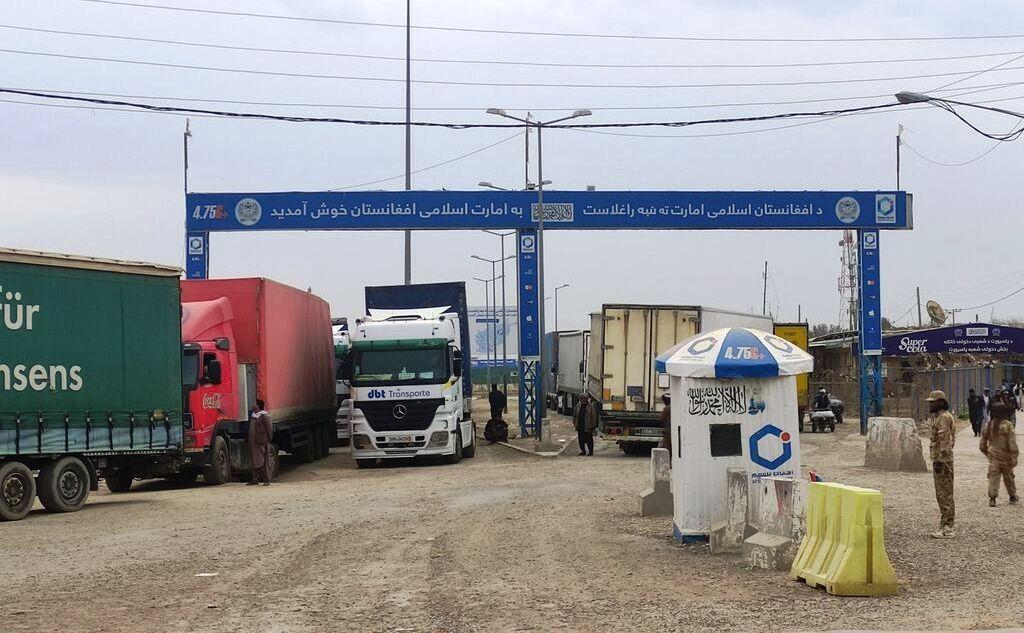
Iran-Afghanistan economic relations require structural and infrastructural work, ranging from trade facilitation and resolving customs and transportation problems to establishing financial mechanisms, expanding joint investment, developing supply chains, standardization, technology transfer, market development and creating a meaningful presence for Iranian companies in Afghanistan.
Simply sending business delegations and holding meetings cannot create a sustainable economic relationship.
If Iranian companies remain reluctant to expand their presence in the Afghan market, the solution is not merely to invite them again. A clear investment and market-entry package should be developed, identifying barriers, risks, opportunities and incentives in practical terms.
A significant portion of the economic potential between the two countries remains untapped because of weak management, the absence of unified leadership for follow-up, shifting approaches and short-term policymaking. Under such circumstances, even well-designed memorandums of understanding are unlikely to deliver results without a strong implementation mechanism.
A new joint working group would therefore be meaningful only if it goes beyond holding more meetings. It should have a permanent secretariat, clearly assigned leadership, one-year and five-year plans, priority projects, implementation timelines, measurable performance indicators and a reporting mechanism.
Iran-Afghanistan economic relations do not need another meeting to repeat the promises of the past. They need a roadmap against which the performance of economic institutions and officials on both sides can be measured.
Without a change in approach, the same promises about expanding trade, increasing commercial exchanges, attracting companies and establishing joint committees could be repeated at another meeting several years from now—while more opportunities have been lost and a larger share of the Afghan market has gone to competitors.
The problem today is not a shortage of dialogue; it is a shortage of planning, management, follow-up and accountability.
By Sayed Ayoub Hosseini — DID News Agency