Israel Alarmed by Declining Support Among Young American Jews
DID Press: A new report indicates that younger American Jews are increasingly less likely to view support for Israel as an essential part of their Jewish identity, a trend Israeli officials and Jewish leaders describe as a strategic concern. Israel has been seeking to strengthen the relationship through cultural initiatives and educational trips.
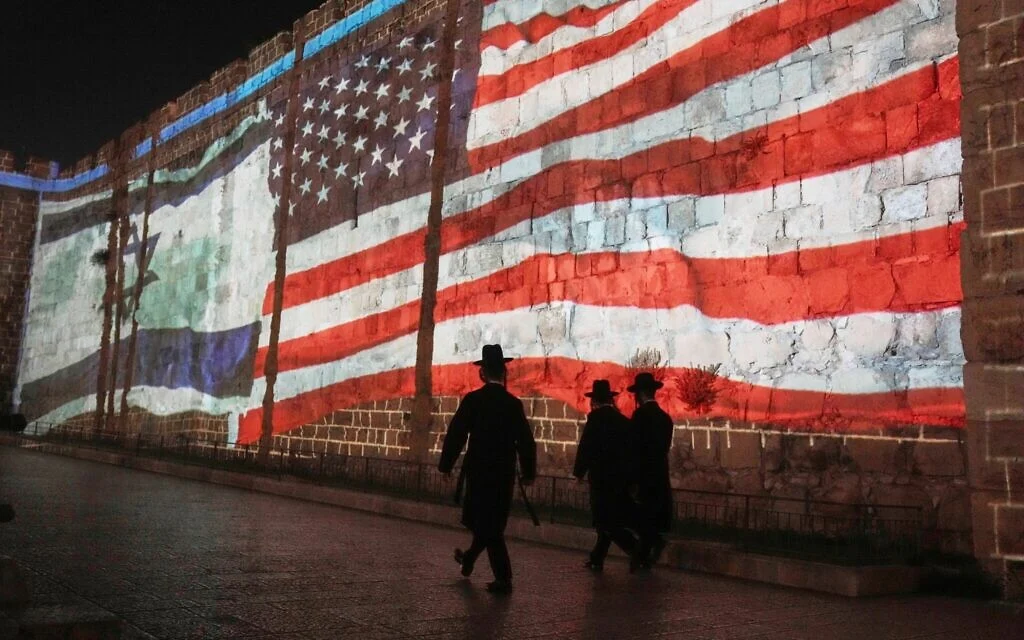
Across Israel’s political and religious spectrum, officials and Jewish leaders have expressed concern over weakening ties between Israel and younger American Jews. A recent poll found that younger generations are less likely to consider support for Israel essential to their Jewish identity.
Itai Nixon, director of the department responsible for Jewish affairs outside Israel, emphasized: “We are a country that belongs to all Jews around the world, not only Israelis.”
Leslie Sachs, president of the Reform Jewish movement in Israel, described close relations with Jews outside Israel as a strategic asset, warning that younger generations are gradually losing the perception that Israel is their homeland. He noted that following the Holocaust, having a country capable of receiving Jews was considered vital, but that idea has become less prominent among younger generations.
Since 2000, the Taglit-Birthright Israel program has taken around 1 million young Jews from the United States and other countries on free, 10-day trips to Israel. Gidi Mark, the organization’s chief executive, said that under current circumstances it is more important than ever to show young people that their relationship with Israel can extend beyond political disputes.
However, polling data from a joint Associated Press–NORC Center for Public Affairs Research survey show that only about four in 10 religious American Jews under 45 consider support for Israel “very” or “extremely” important to their Jewish identity. The figure rises to roughly half among older Jewish Americans.
The survey also found that only about half of religious American Jews consider Israel’s military operation in Gaza justified, while the figure falls to roughly two in 10 among secular Jews.
The developments come amid diplomatic tensions between Washington and Tel Aviv. Disagreements over a ceasefire during the conflict with Iran have weakened Israeli Jewish confidence in U.S. policy, while the political and financial support of American Jews for Israel has again assumed greater importance.
At the same time, widespread protests on U.S. university campuses following the October 7, 2023 attack, along with the reported death toll of more than 73,000 people in Gaza, have further exposed the widening gap between younger American Jews and Israel.
Israeli officials say efforts to maintain ties with younger Jews abroad are not merely cultural programs but part of a broader strategy to rebuild Israel’s image among a generation that increasingly views the country’s policies as incompatible with its own values.