Ideological Kinship Between the Taliban and al-Qaeda
DID Press: Reports of a Taliban-organized meeting in Doha coinciding with the anniversary of the September 11 attacks, and the reported views expressed there in support of al-Qaeda, have once again brought the longstanding question of the Taliban’s relationship with transnational jihadist networks into focus — a relationship rooted not merely in political calculations or temporary alliances, but in deep ideological commonalities.
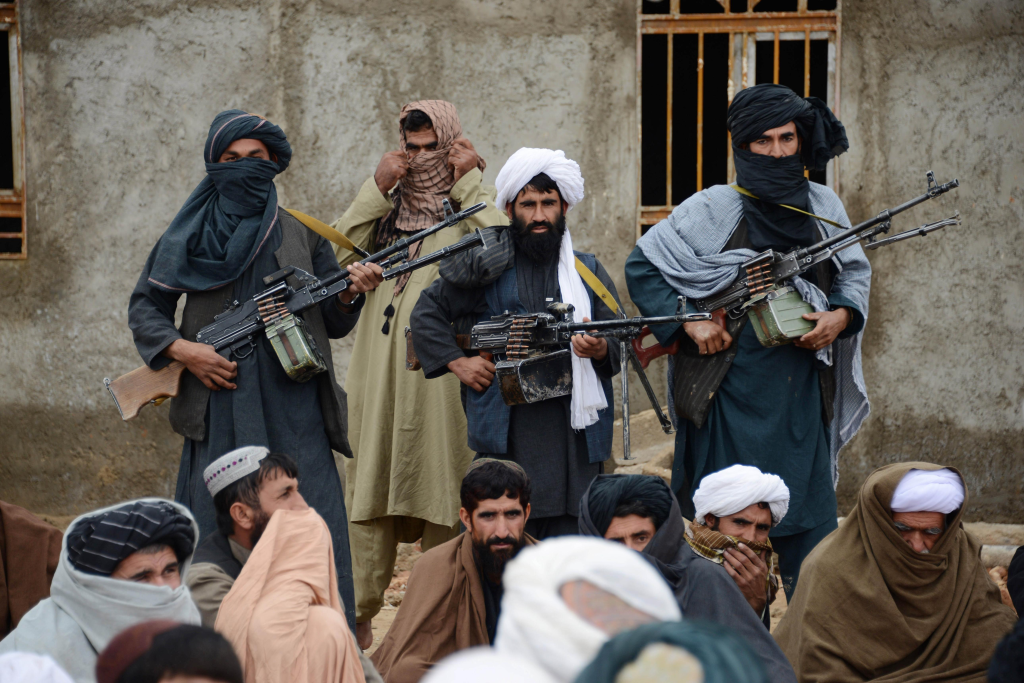
Although the Taliban and al-Qaeda differ in their structures, operational objectives and geographic reach, both draw on a hard-line interpretation of political Islam that places the concept of the Ummah above geographic borders and legitimizes violent struggle against ideological opponents and perceived enemies. This ideological affinity has made it difficult to sever ties between the two movements, even during periods when the Taliban have sought to emphasize political distance from al-Qaeda.
The legacy of this relationship cannot be viewed solely through the lens of past interactions. The presence of al-Qaeda members in Afghanistan, including reports concerning individuals within the Taliban’s administrative and security structures, the Taliban’s history of hosting senior al-Qaeda figures, and repeated reports of continued links between the two sides indicate that the terrorism issue in Afghanistan is not limited to the physical presence of a few groups. It is also connected to an ideological environment that can facilitate the reproduction of extremism. The U.N. Security Council’s monitoring reports have continued to describe al-Qaeda as active in Afghanistan and the relationship between the group and the Taliban as close.
Against this backdrop, the reported emphasis at the 25th anniversary of the September 11 attacks on drawing inspiration from those attacks should be viewed as a serious indication of the continuation of this ideological affinity and of the potential for the two terrorist movements to reshape and reproduce transnational threats.
Under such circumstances, Afghanistan faces the risk of the renewed consolidation of a discourse that transforms transnational violence from a political instrument into an ideological virtue. Recent U.N. assessments have likewise warned that more than 20 international and regional terrorist organizations remain active in Afghanistan, including al-Qaeda, with several maintaining relations with the Taliban.