Afghan Opposition Leaders Call for Elections, Resistance and Political Unity
DID Press: Leaders of political groups opposed to the Taliban, speaking during “Martyrs’ Week,” called for a political system based on the people’s vote, continued resistance against the Taliban, protection of women’s rights and resolving Afghanistan’s crisis through dialogue. They also called for unity among opposition forces and strongly criticized the Taliban’s performance in political, social, human rights and economic affairs.
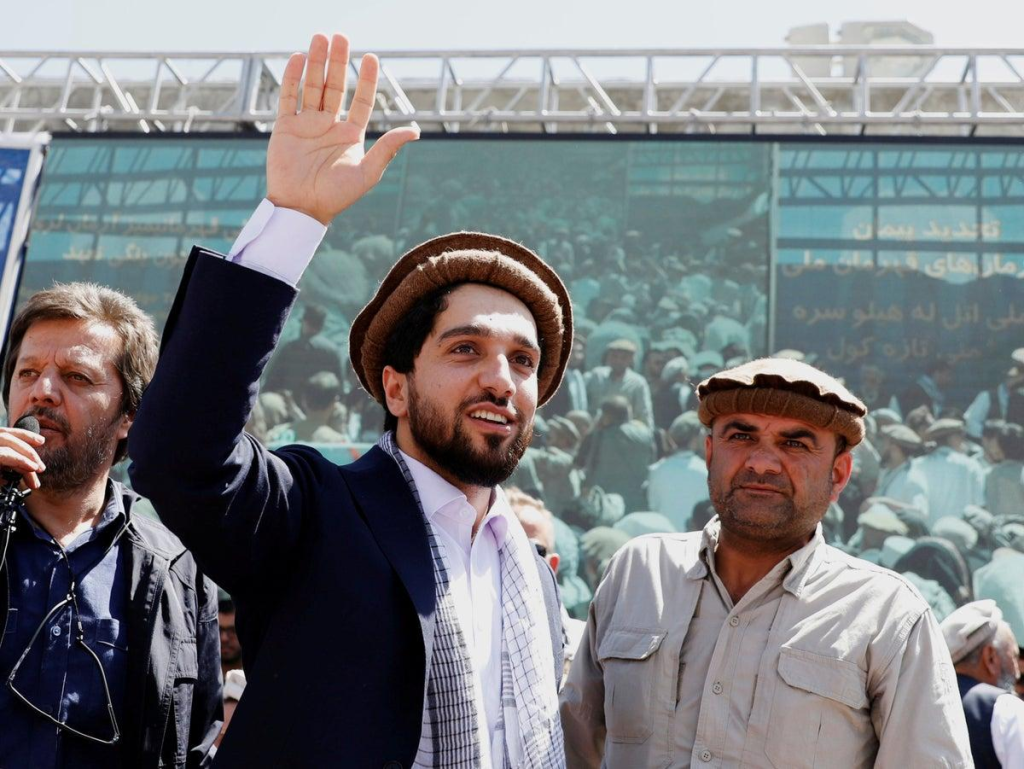
Ahmad Massoud, leader of the National Resistance Front of Afghanistan, said the main disagreement between Taliban opponents and the group concerns popular sovereignty and the right of the people to choose their political system through elections. He said the opposition’s goal was to establish a system in which people decide the country’s political future, adding that even if Taliban leader Hibatullah Akhundzada won a free election, he would accept the result.
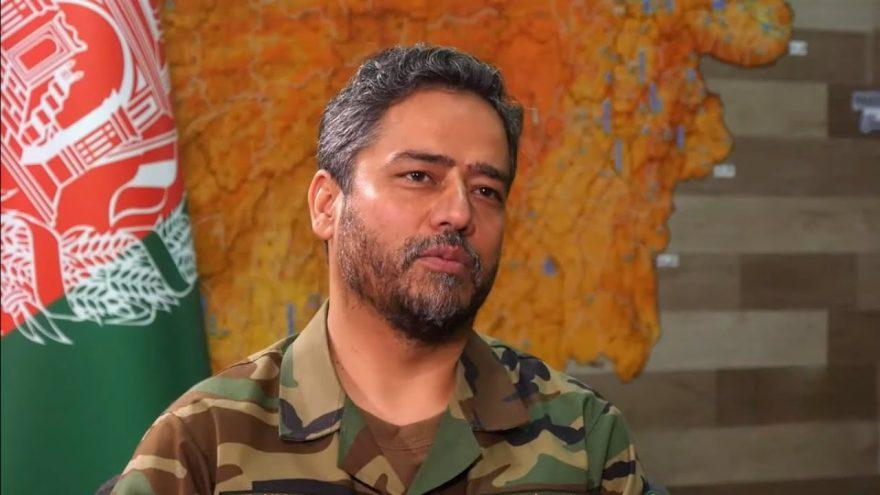
Yasin Zia, leader of the Afghanistan Freedom Front, said the activities of opposition groups had increased pressure on the Taliban and that they should begin planning for the post-Taliban period. He stressed that the goal of the Freedom Front was not to seize power, but to transfer power from the Taliban to the people of Afghanistan.
Speakers also stressed that Afghanistan’s crisis was not limited to the ban on girls’ education. Alongside girls’ education, issues including the political crisis, concentration of power, ethnic discrimination, the economic situation and women’s rights also require attention.
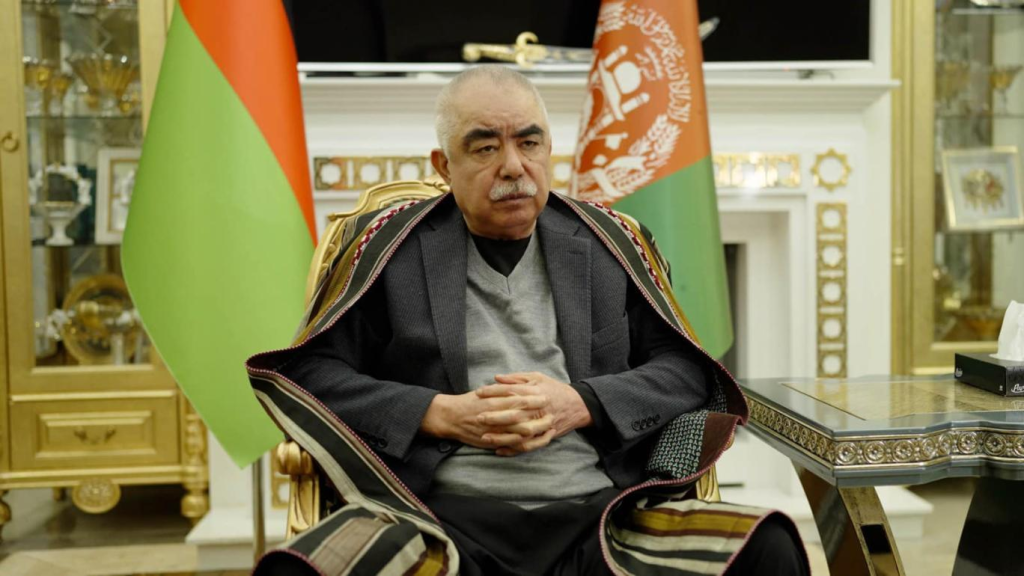
Abdul Rashid Dostum and Abdul Rasul Sayyaf emphasized the need for dialogue with the Taliban. Dostum said the Taliban should not ignore calls for negotiations and announced the formation of a five-member delegation to hold talks with the group. Sayyaf said opponents of the Taliban faced two options: negotiations or war.
The opposition leaders also stressed the need for unity and warned against ethnic and regional divisions. They accused the Taliban of monopolizing power, discrimination, pressuring minorities and misusing resources and economic contracts. Mohammad Mohaqiq also called on regional and international countries not to engage with the Taliban and to support the people of Afghanistan, particularly Hazaras and Shiites.