DID Press: Geopolitical analyst William (Will) Schryver has argued that Iran and its regional allies exert significant influence over three strategically important maritime chokepoints: the Strait of Hormuz, Bab al-Mandeb and the Suez Canal.
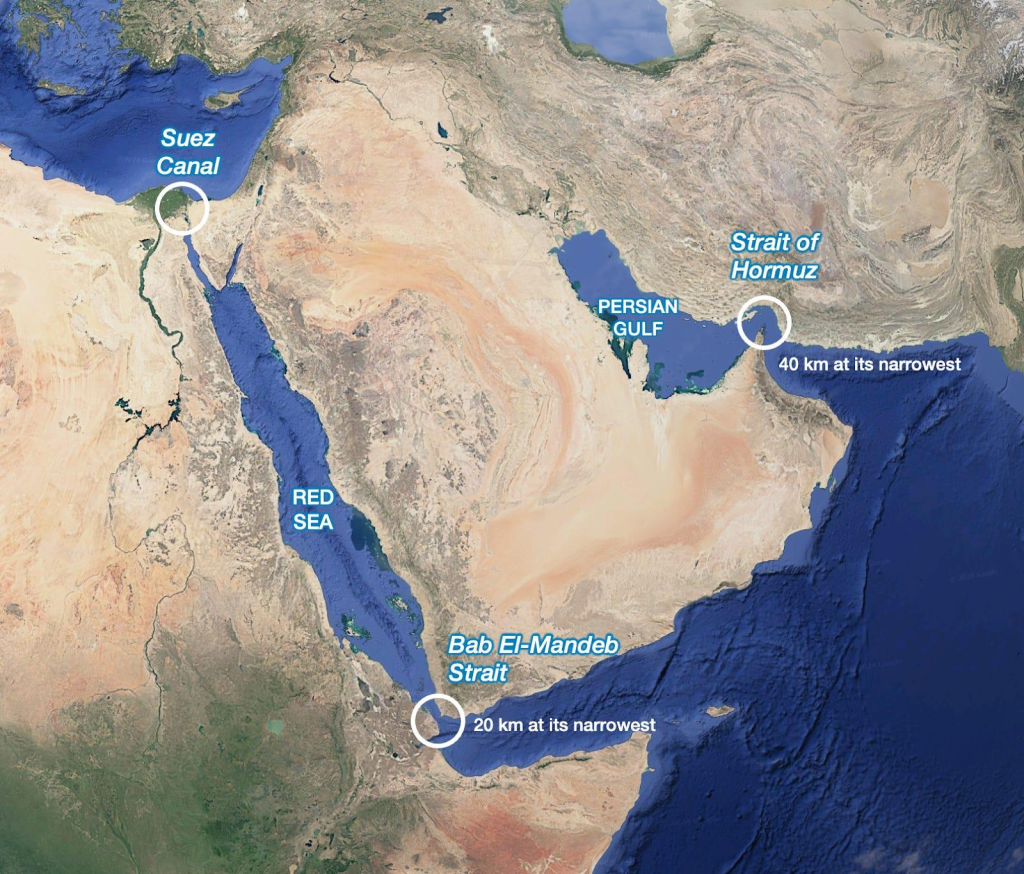
Schryver, in comments on the recent regional conflict, said Iran’s influence over these waterways gives Tehran and its aligned groups an important position in regional maritime and security dynamics. In a recent post, he specifically argued that control of Bab al-Mandeb by Ansar Allah, the Houthi movement, amounts in strategic terms to Iranian influence over the passage and, by extension, the Suez route.
He also referred to attacks on several major U.S. military facilities in the Persian Gulf and argued that the strikes have created significant challenges for the U.S. military presence in the region. These assessments are Schryver’s own analysis and should not be treated as independently established facts.
The analyst further described Iran and groups aligned with it as important actors in the region’s maritime-security calculations, arguing that influence over the three routes could have wider implications for international trade and energy security.
The Strait of Hormuz is a major route for energy shipments from the Persian Gulf, while Bab al-Mandeb connects the Red Sea with the Gulf of Aden and provides access to the Suez Canal, making disruptions along these waterways potentially significant for global shipping.