Mohaqiq: Taliban Policies Toward Shiites Could Deepen Sectarian, Ethnic Divisions
DID Press: Mohammad Mohaqiq, leader of Afghanistan’s Hezb-e Wahdat-e Islami Mardom-e Afghanistan, has expressed concern over what he describes as increasing pressure on Shiite and Hazara communities in Afghanistan, arguing that the measures are part of a broader Taliban policy rather than decisions by individual officials.
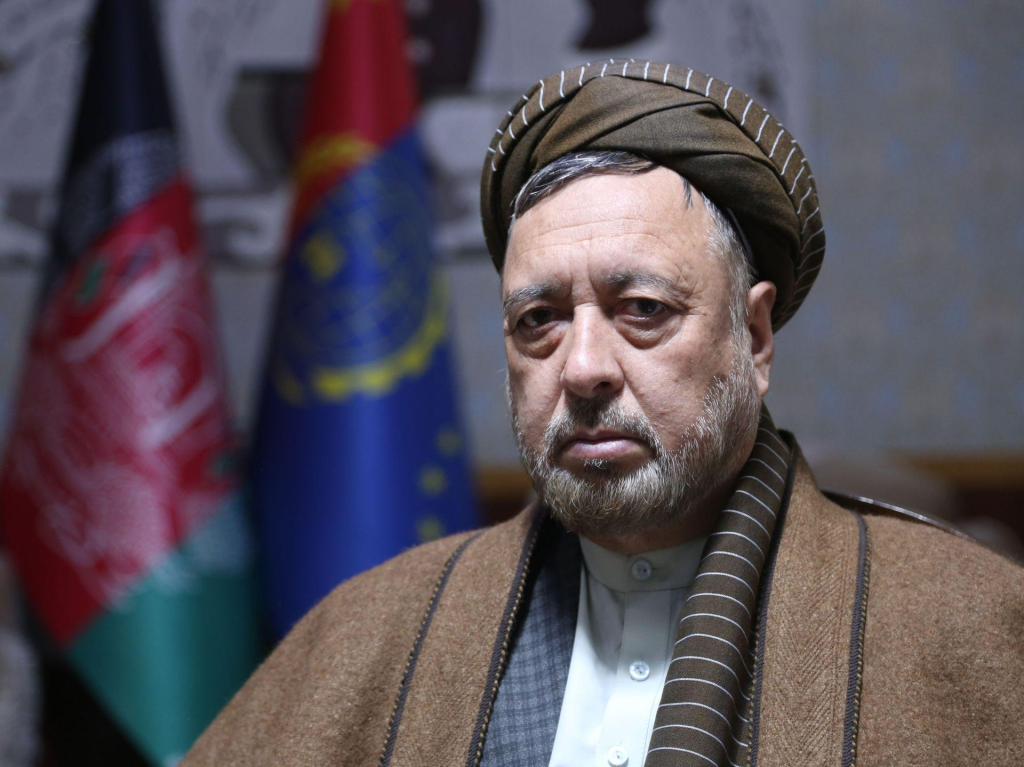
In a recent media interview, Mohaqiq said the Taliban initially sought to present a more “moderate” image after returning to power, but gradually made their policies toward ethnic groups, political movements, women and religious minorities more apparent.
He said the Taliban are seeking to establish a system based on their own religious interpretation and claimed that the group does not tolerate either Shiite Islam or differing interpretations of Hanafi jurisprudence.
According to reports cited in the statement, the Khatam al-Nabieen seminary and university in Kabul have been surrounded and seized, while the Khatam al-Anbia seminary has also been closed. The activities of Tamaddon TV were previously suspended, and Rah-e-Farda TV was also shut down again.
The Taliban’s Ministry of Justice has attributed the closure of some of these institutions to allegations including “political links” and the use of allegedly usurped land. Officials affiliated with the institutions have rejected those allegations.
At the same time, reports have emerged that several predominantly Hazara and Shiite residential areas, including Omid-e Sabz Township in Kabul, have been designated as state-owned. Residents in some of these areas have reportedly been ordered to leave, prompting objections.
A number of Hazara and Shiite community figures have also reportedly been detained by the Taliban. Some have subsequently been released, while reports indicate that others remain in detention.
Mohaqiq warned that, in his assessment, continuation of these policies could deepen ethnic and sectarian divisions in Afghanistan and, if sustained, could contribute to protests and popular resistance in some parts of society.